
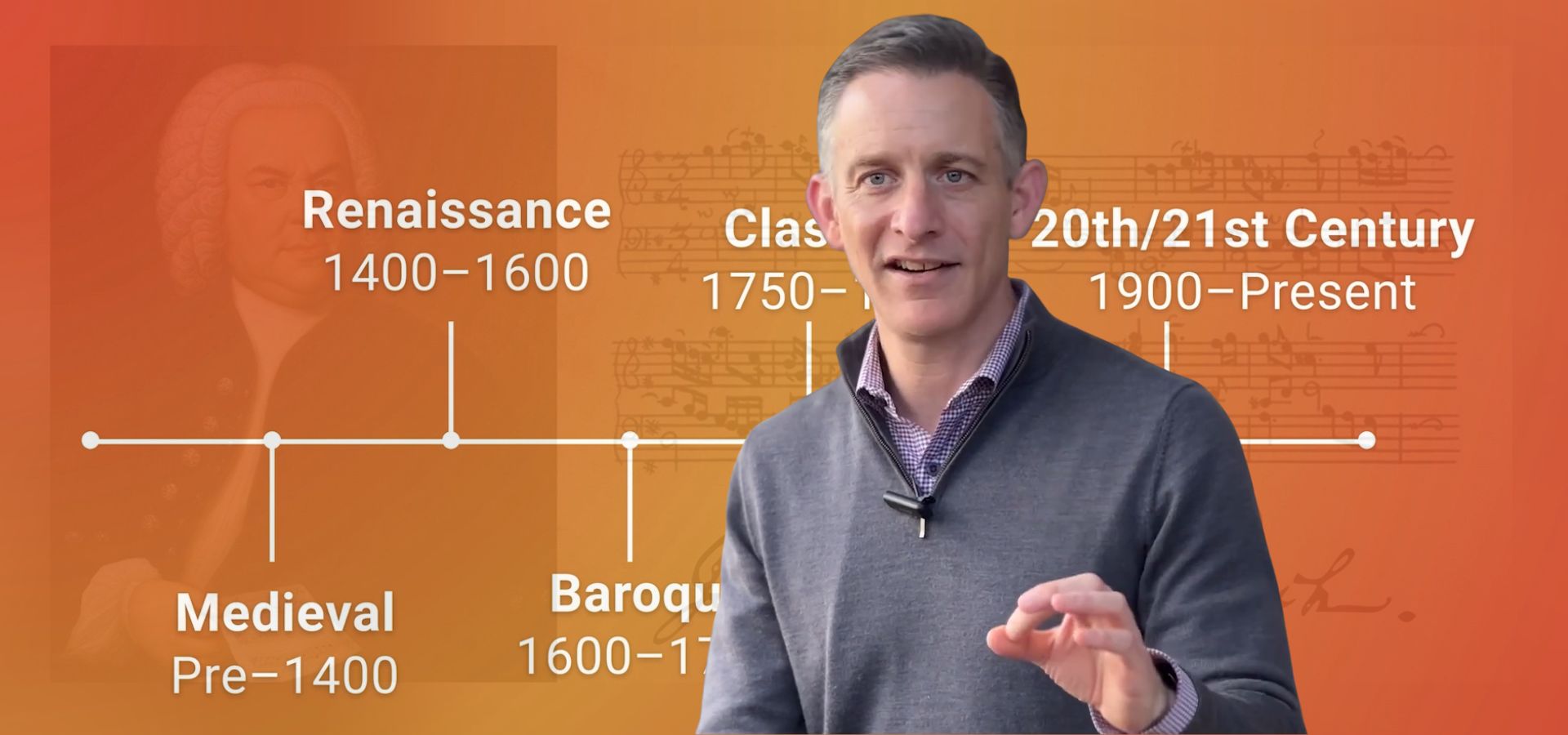
Explaining the “Early Music” Genre with Jeremy Geffen
“It’s a combination of performance and scholarship.”
Video editing by El Zager, Cal Performances’ Social Media, Digital Content and Engagement Specialist
So, what is “Early Music” anyway? What movements does it include? And are Early Music artists really trying to recreate what the music sounded like at the time it was made—before recordings even existed?!
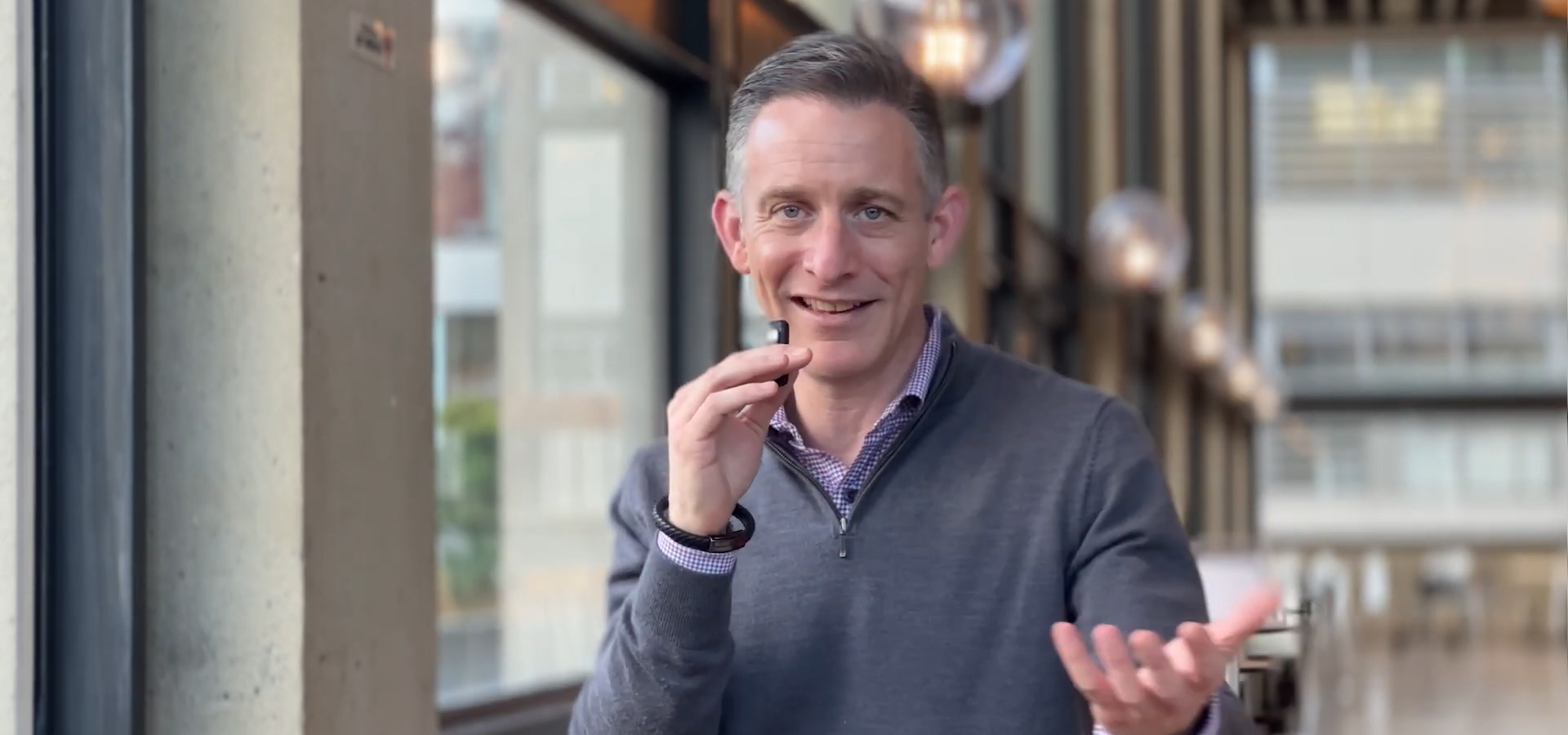
While genre tags are generally intended to help listeners create a clearer picture of the music they’re about to experience, genres that are tied to time periods can feel much harder to grasp. In this five-minute video, Jeremy Geffen, Cal Performances’ Executive and Artistic Director, helps to demystify the “historically informed performance movement” and shares more about the styles and performers who are defining Early Music for modern times.
To see what Early Music performances are coming up at Cal Performances during the 2025–26 season, see our genre calendar page here.
Transcript
Jeremy Geffen:
Hi everyone. I’m Jeremy Geffen, the Executive and Artistic Director for Cal Performances, and I’m here for question time!
What periods fall under the Early Music umbrella?
We think of things like Renaissance, Medieval, Baroque, Classical, Romantic, and it starts to get a little bit more broad from there. Even within those, there are groupings. Like, anything from essentially Medieval to Baroque is often classified as early music. These are post-hoc categorizations rather than deliberate decisions on the part of a composer to write in a specific style.
What are the qualities that distinguish Early Music?
The variety of sonic experience of Early Music varies enormously, because it can be an a capella concert in which you’re just hearing early music vocal techniques, which in many cases are not totally dissimilar from modern vocal techniques, and especially from some very specific styles of new music where the sound is essentially performed with what they call straight tones, so there’s no vibrato—you just want the purity of the sound and the pitch, and it all fits together like an organ… In other types of early music performance, you’re hearing music performed on instruments, or versions of instruments from the time in which they’re written. Sometimes they’re performed on the traditional instruments, like the folk instruments that led to the creation of those more modern, formalized instruments… So, there’s an enormous amount of variety within early music.
And one of the things I love about it is that there’s often not much of a divide between what was formalized music and what was the full tradition. So, much of the dance music that is so prevalent in Medieval and Baroque music directly comes from music that was meant to be danced to, and therefore is accompanied by more folksy types of instruments.
What is the role of scholarship in Early Music performance?
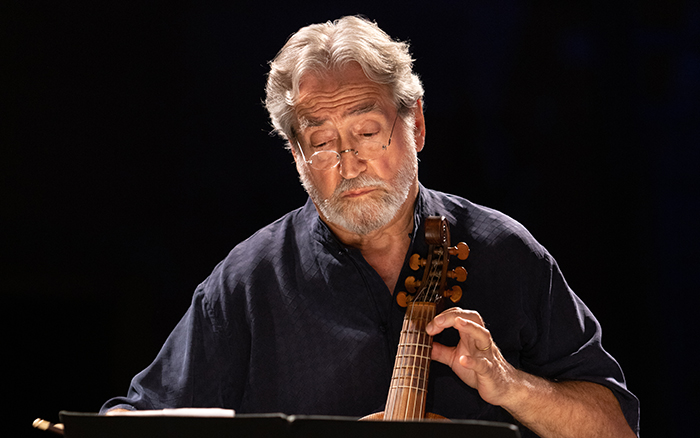
The historically informed performance movement was really an outgrowth of the second half of the 20th century, and it’s a combination of performance and scholarship. Bach was quite specific in his scores. There’s not a lot of room for improvisation within it, except in places where he’s very specific that he wants something to be improvised, or maybe an ornament here or there. There are no recordings from this time. Recording technology didn’t exist until the 20th century or the very end of the 19th century, so, it’s really a guess as to how the music sounds. And to fill in those blanks, you have to rely on scholarship. People like Jordi Savall and Christopher Hogwood, these are great performers, but they’re also great researchers. And what they bring to a performance is a combination of their sonic imagination combined with the accounts, the firsthand accounts, that they would’ve read of the performances of pieces during this time.
There’s an Indiana Jones element to this. There’s an element of discovery, because we’ll never know exactly how these pieces sounded at the time of their premiere. For many elements of the Baroque tradition, there’s much more onus on the performer. Renaissance and Medieval periods, we have a lot of vocal music. There were so many composers writing during these periods. In many cases, the idea of composer as a sole profession did not exist in the way that it does now.
What Early Music performances are at Cal Performances this season?
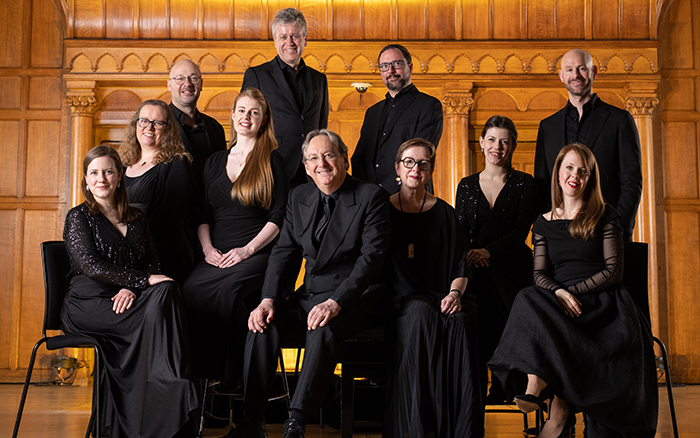
The Tallis Scholars comes every year. And we have a piece later this season by Tomás de Victoria, who is certainly the most famous Spanish composer of his time, if not one of the most famous Spanish composers of all time. It’s called O magnum mysterium. It is heaven, and highly encourage everyone to come hear the Tallis Scholars sing that. Jordi Savall, one of his, or sometimes more than one of his ensembles will come once a year. In more recent years, The English Concert comes once a year, and their offering is exclusively a Handel opera or oratorio. So, it’s actually a very similar type of experience from year to year.