
Carolling and the Spirit of Ukraine
“This isn’t music just for Ukrainians, it’s for all of us… It’s bridging the cultures. That’s kind of been my mission throughout my life, but especially now.”
Interview of Marika Kuzma; filmed and edited by El Zager, Cal Performances’ Social Media, Digital Content and Engagement Specialist
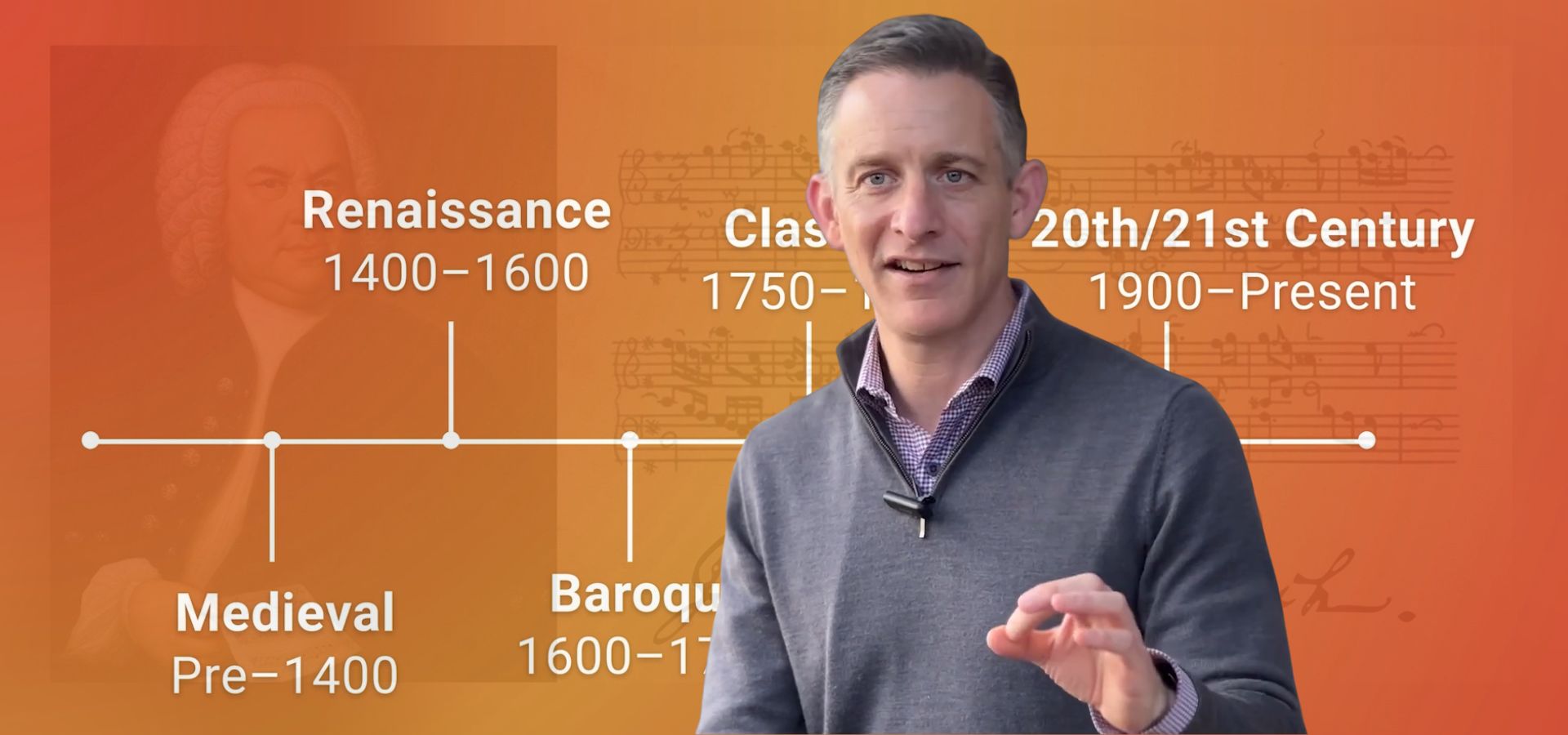
Esteemed choral director Marika Kuzma, a first-generation Ukrainian American and professor emerita of music at UC Berkeley, shares the history and tradition of Ukrainian Christmas carolling ahead of the December 13 performance of her very own Ensemble Cherubim Chamber Chorus in Carols of Birds, Bells, and Peace from Ukraine: A Holiday Celebration. Kuzma is deeply passionate about celebrating the joy and peace innate to Ukrainian culture, and here pulls from her firsthand experiences, her research, and her upcoming performance to provide insight into what makes carolling in this context so interesting and so powerful.
Sections include:
- Intro [0:00]
- What are some special holiday traditions in Ukraine? [0:27]
- Your tie to Ukraine reflects both firsthand experiences of culture, as well as scholarly research. How do those aspects shape your work? [1:18]
- What unites the members of Ensemble Cherubim around Ukraine? [2:48]
- Famed mezzo-soprano Frederica von Stade is one of a few special collaborators. What makes her a great fit for this program? [4:34]
- What should audiences know about the experience of hearing live carols for this performance? [5:28]
- What is the significance of the word “peace” in your program title? [6:34]
- What do you hope audiences will take away from the performance? [8:20]
Transcript
Introduction
Marika Kuzma:
My name is Marika Kuzma, and I’m a Ukrainian American musician, conductor, author, actor. The concert coming up [Ensemble Cherubim in Carols of Birds, Bells, and Peace from Ukraine: A Holiday Celebration on Dec 13, 2025] is going to introduce the phenomenal culture of carols from Ukraine, carols and carolling. It’s a culture that I think most Americans have not yet experienced. Even some Ukrainians, I think, it’s going to take them by surprise.
What are some special holiday traditions in Ukraine?
Singing is very much a part of Christmas Eve dinner. It’s what Ukrainians do. They sing together. And then there’s this other aspect that I think is different from what Americans experience, and that is that you sit there in darkness, and there’s just one candle. There’s this atmosphere of awe or of wonder about it. The idea is that Christmas Eve was the night when something miraculous happened. And then there’s also this sense of remembering your elders and remembering your ancestors. So there’s always a place setting for the family members who have departed. It’s an atmosphere, it’s joy, but it’s a deeper, more deeply rooted kind of joy.
Your tie to Ukraine reflects both firsthand experiences of culture, as well as scholarly research. How do those aspects shape your work?
In music scholarship, especially in ethnomusicology, there’s this idea of like, are you from within the culture or are you a great observer from outside the culture? And I feel like I’m really both, because I grew up, Ukrainian was my first language. These carols were some of the first songs I ever sang. I think I actually sang before I spoke—at least that’s what my mother told me, that I was singing before I actually could talk. So it’s really in my bones and in my sort of DNA.
But at the same time, I spent decades studying music of many countries and conducting choirs that were not Ukrainian. But, when the missiles first landed in Kyiv, it’s just like all my DNA just got reactivated. I started to research this music that I had grown up singing and sort of took for granted, and looking at it from a critical perspective, from the perspective of, what makes this repertoire special compared to British carols or German carols or the big oratorios like Handel Messiah? What makes this music important and unique? I learned a lot. So that’s part of why I’m so eager to share this music with the audience in Berkeley, because I feel like, “Oh, I thought I knew this music, but now I really know this culture,” and I would love to share that with you.
What unites the members of Ensemble Cherubim around Ukraine?
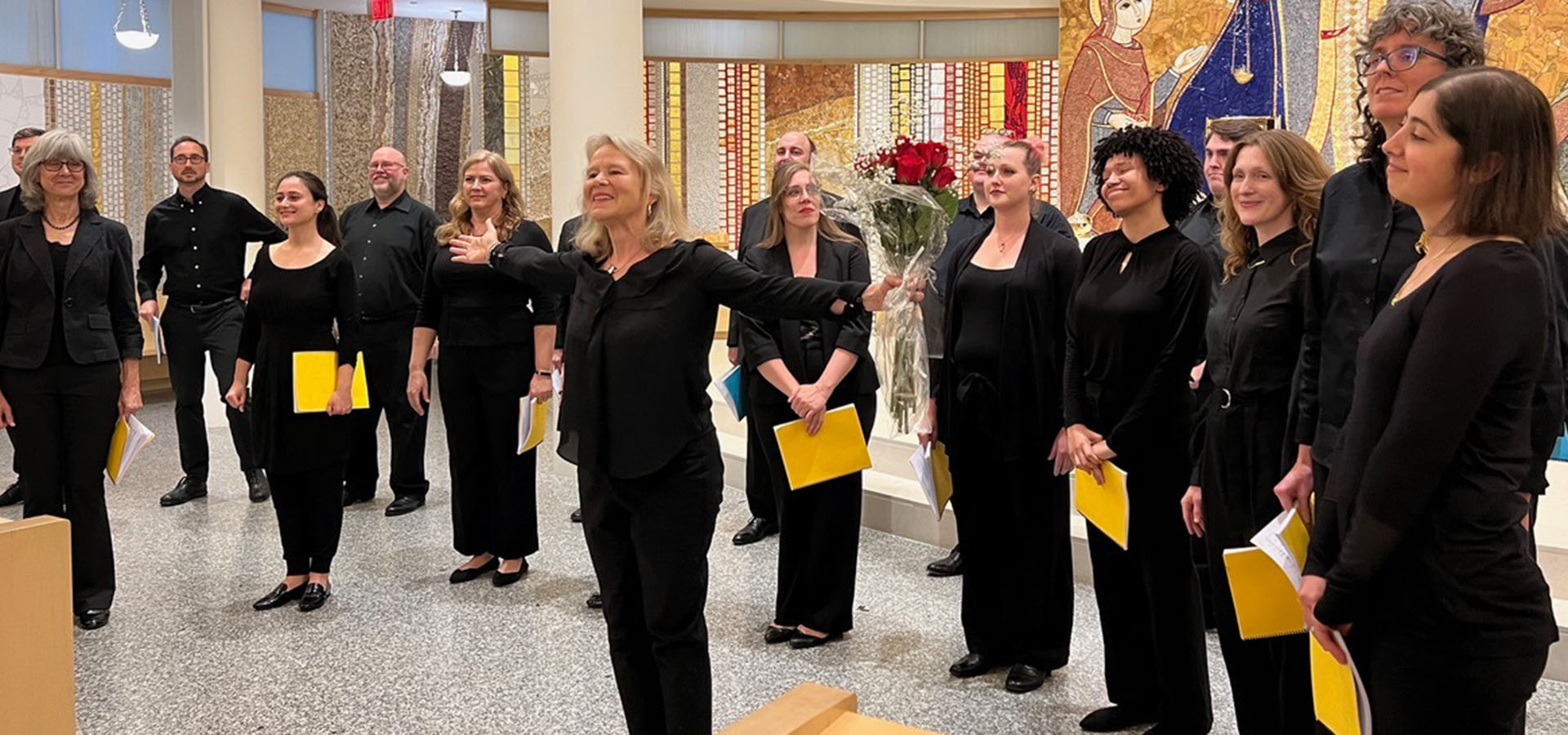
First of all, I’ll talk about my choir, which is Ensemble Cherubim. It’s a chamber chorus, and we’re going to be 27 singers on the Zellerbach stage. Each one of them has a different kind of tie to Ukrainian music.
So there’s actually only one singer in the choir who’s of Ukrainian heritage, and she’s someone who’s very much part of Ukrainian heritage. She was born in the States, but she literally went to Ukraine just a few months ago to play a folk instrument and sing in children’s hospitals and in soldier rehabilitation centers. So she’s very, very closely tied to Ukraine directly.
Then there’s a singer who used to sing in Kitka. So she got introduced to Ukrainian culture through more of the village style of singing. There’s a singer who’s a wonderful baritone solo, who’s just sang the solo on Beethoven No. 9 with the UC Berkeley Symphony, and he happens to be married to a Ukrainian woman who’s a coach at the Metropolitan Opera. So, he’s with us.
I could say something about every single singer in the choir and the connection they have. You don’t have to be German to perform music by Beethoven, or you don’t have to be British to sing music by Britten. I think this music has a place among international artists and Grammy-winning artists and actors who’ve been on major stages. It can be given voice through people of any background. And, in fact, I think it shows that this culture and these major artists are embracing this culture at this time.
Famed mezzo-soprano Frederica von Stade is one of a few special collaborators. What makes her a great fit for this program?
Finally, there’s Frederica von Stade who’s just so beloved and who has sung in so many languages. I’ve met her, and you feel her instant empathy for humanity and especially for children. She’s worked a lot with Young Musicians Program and with various schools in the Bay Area. She has this enormous heart. In this concert, she’s going to be singing in Ukrainian for the first time and also in Yiddish for the first time. I’m just thrilled. She’s actually going to be singing along with the women in my chorus, alongside them, as sort of part of our village. I’m very excited and moved that all these artists feel this immediate connection to this culture, both its suffering and also its richness.
What should audiences know about the experience of hearing live carols for this performance?
In Ukrainian, it’s all a cappella, and it’s for several reasons. One is that in the church tradition in Ukraine, at least, I mean, there are many religions within Ukraine, but Christianity is the predominant one. And in churches in Ukraine, Orthodox Church, Eastern Rite Catholicism, instruments [weren’t] allowed. So that’s one of the reasons why it’s all a cappella and why the exploration of what a choir can do is so wonderful, because these composers used the choir sort of like an orchestra. They didn’t see it as sopranos, alto, tenors, basses. And then the more interesting stuff isn’t in the orchestra. It’s all within the voices. I am just determined that this concert won’t be just singers standing behind folders. We’re going to have visual projections and supertitles and special effects in the concert, so to really immerse the audience in this culture.
What is the significance of the word “peace” in your program title?
And then I put in the word peace right now because the images that most Americans have of Ukraine right now, if they have any, is of destruction and is of war. And I wanted to give this message of peace, both for the Ukrainian audiences who’s going to be coming, because we need that message right now desperately, and also to show the American audience that Ukrainians are a peace-loving people. They’ve never invaded another country ever in their history. Really, they want peace desperately. And a lot of what has enabled them to survive as a people is these carols that tell them about faith in a higher power, the power of nature, how peace and love are a prevailing spirit of their country.
What do you hope audiences will take away from the performance?
Obviously, as a Ukrainian American, I want the audience to come away from this concert with a deeper understanding of how multi-ethnic and how varied and vibrant this culture is, and have also visual images of what this country looks like, and it’s not just bombing. But the bigger picture is that these carols, these ancient carols, carry a message that the real power of the universe is not that of some mean autocrat who might be ruling over you, and that the real power of life on earth is nature and the cycles of nature and the beauty of nature. That’s what these carols say.
The message that we’re going to be giving to Ukrainians in Ukraine—and by the way, they follow this, they follow me on Facebook, and they’re going to watch the video of this—they see this and they feel less alone. For American audiences, the message is, it’s like, this isn’t music just for Ukrainians, it’s for all of us. And the message of these pieces is for all of us. It’s bridging the cultures. That’s kind of been my mission throughout my life, but especially now.
Every year, in many cultures, a stranger comes knocking on your door to sing for you and give you joy. Part of the power of that, I mean, no matter how good or bad the caroler is, is the fact that this person is right in your face, is right offering you of themselves in your presence. That’s one of the things I hope our concert will give the audience, is this sense of, we’ve come to give you this depth of spirit, this soul-stirring stuff, this joy, right here, right face to face. And the vibration you feel in person is so much better.