“Innocence & Experience”: Crucibles of Experience
Produced and directed by Mina Girgis, Cal Performances’ Director of Education, Campus and Community Engagement; directed and edited by Lindsay Gauthier. Full credits below.
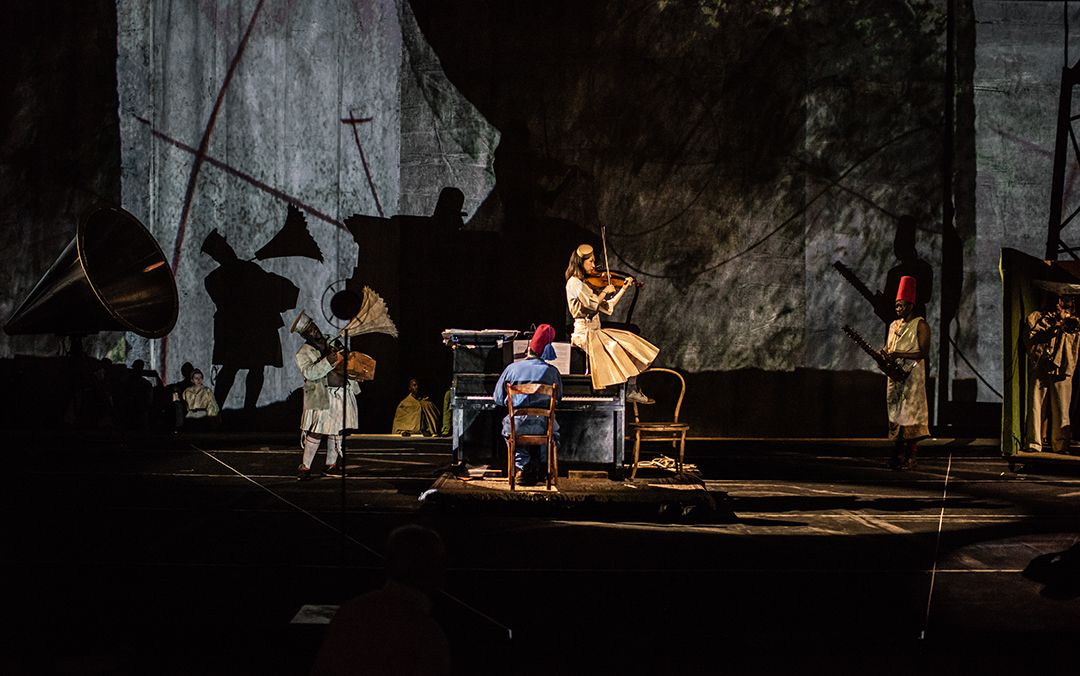
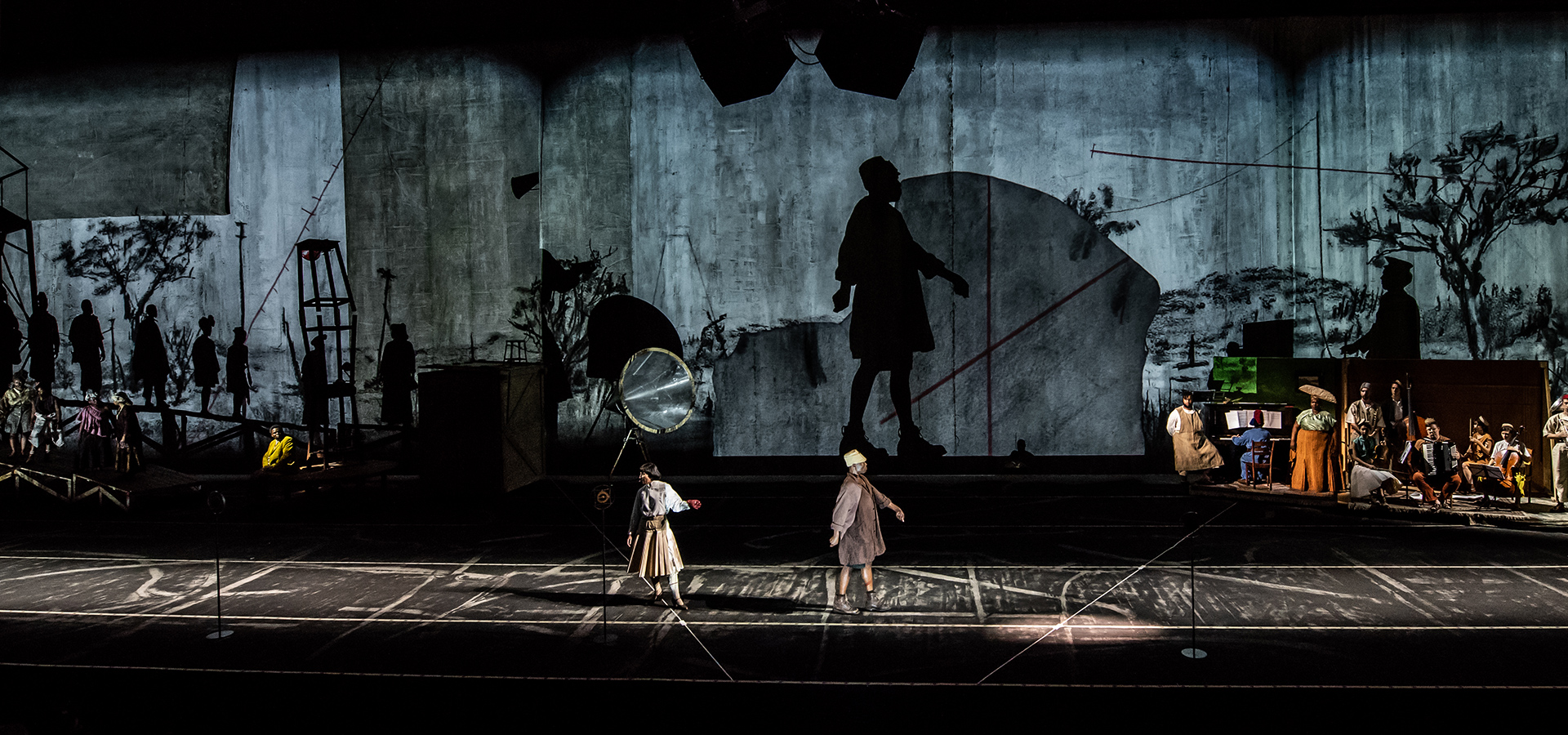
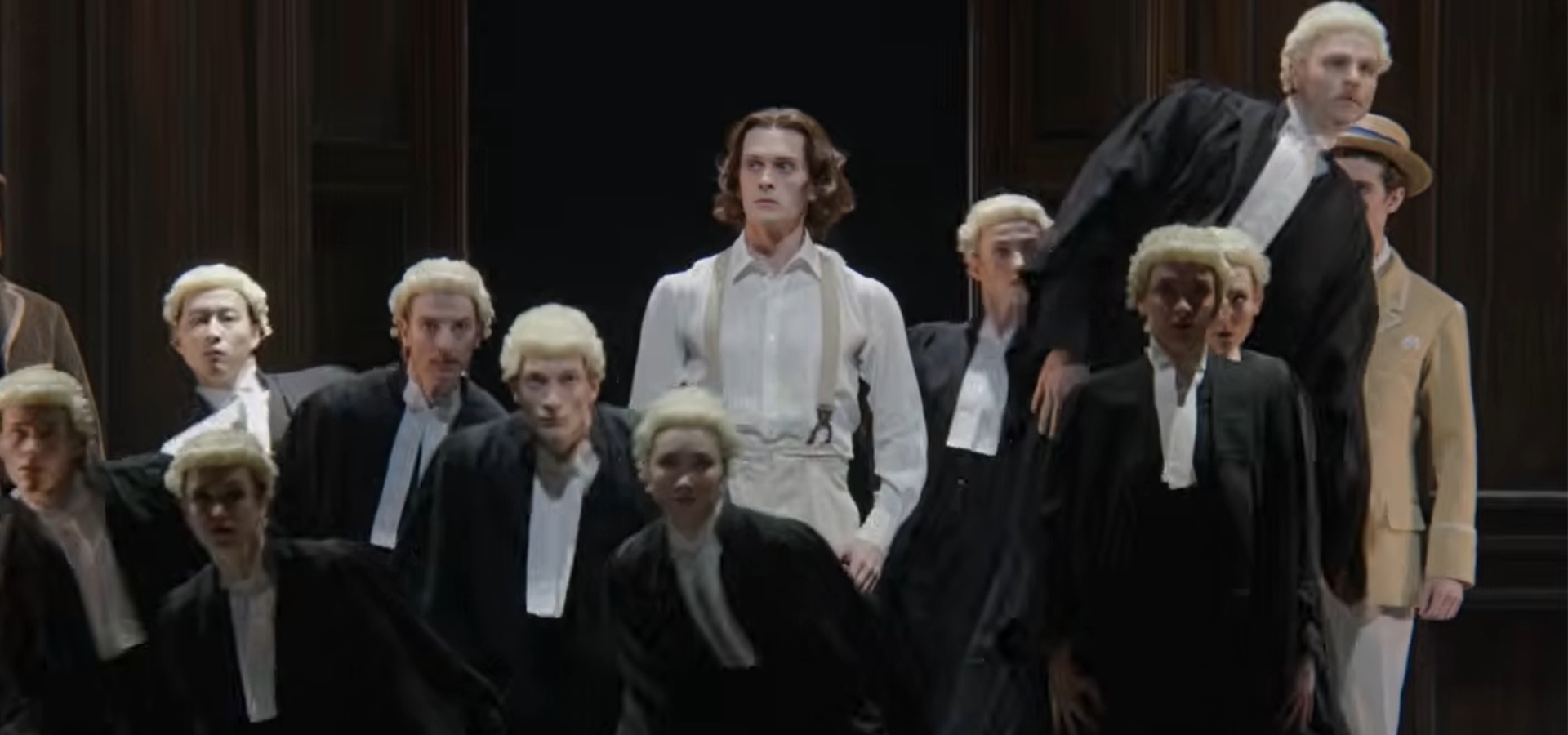
European and the US armies conscripted hundreds of thousands of Africans and African Americans into World War I, then deliberately left them out of the record. What is the impact of that erasure, and what counter-histories endured in spite of it? During Cal Performances 2026–27 season, we’re exploring the theme of “Innocence & Experience” as part of our Illuminations programming, which connects extraordinary artistry with groundbreaking scholarship to unpack pressing topics of today. In this video, we engage performing artists and scholars to discuss how concepts of “Innocence & Experience” can inform our understanding of these histories—especially in the context of upcoming performances of William Kentridge’s The Head & the Load and Jason Moran and the Harlem Hellfighters in James Reese Europe and the Absence of Ruin.
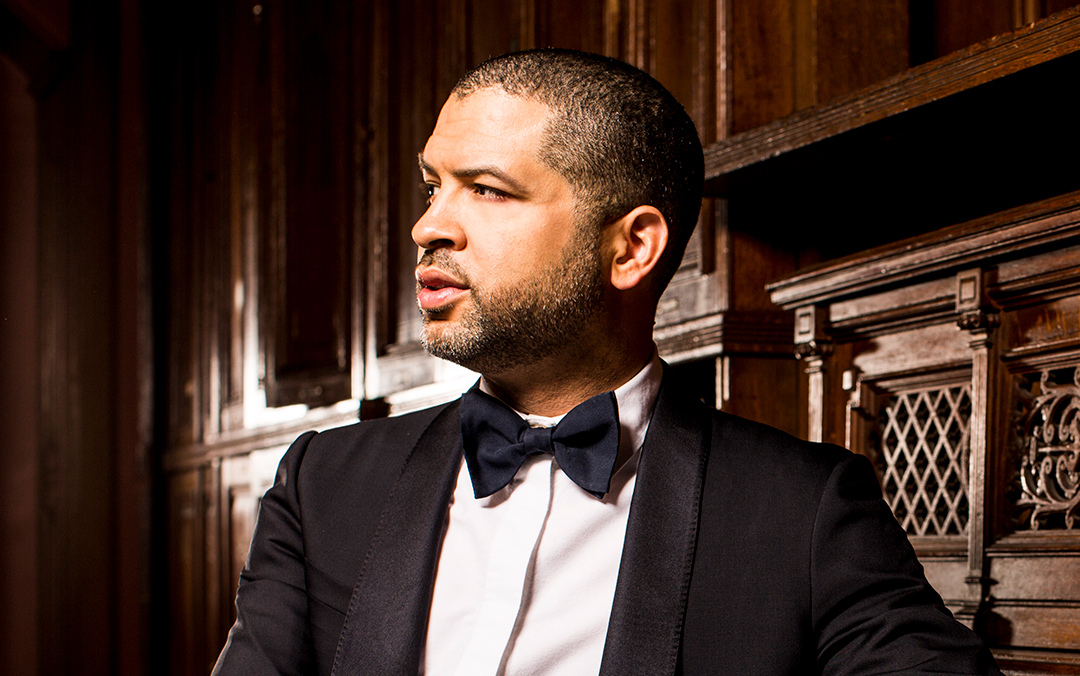
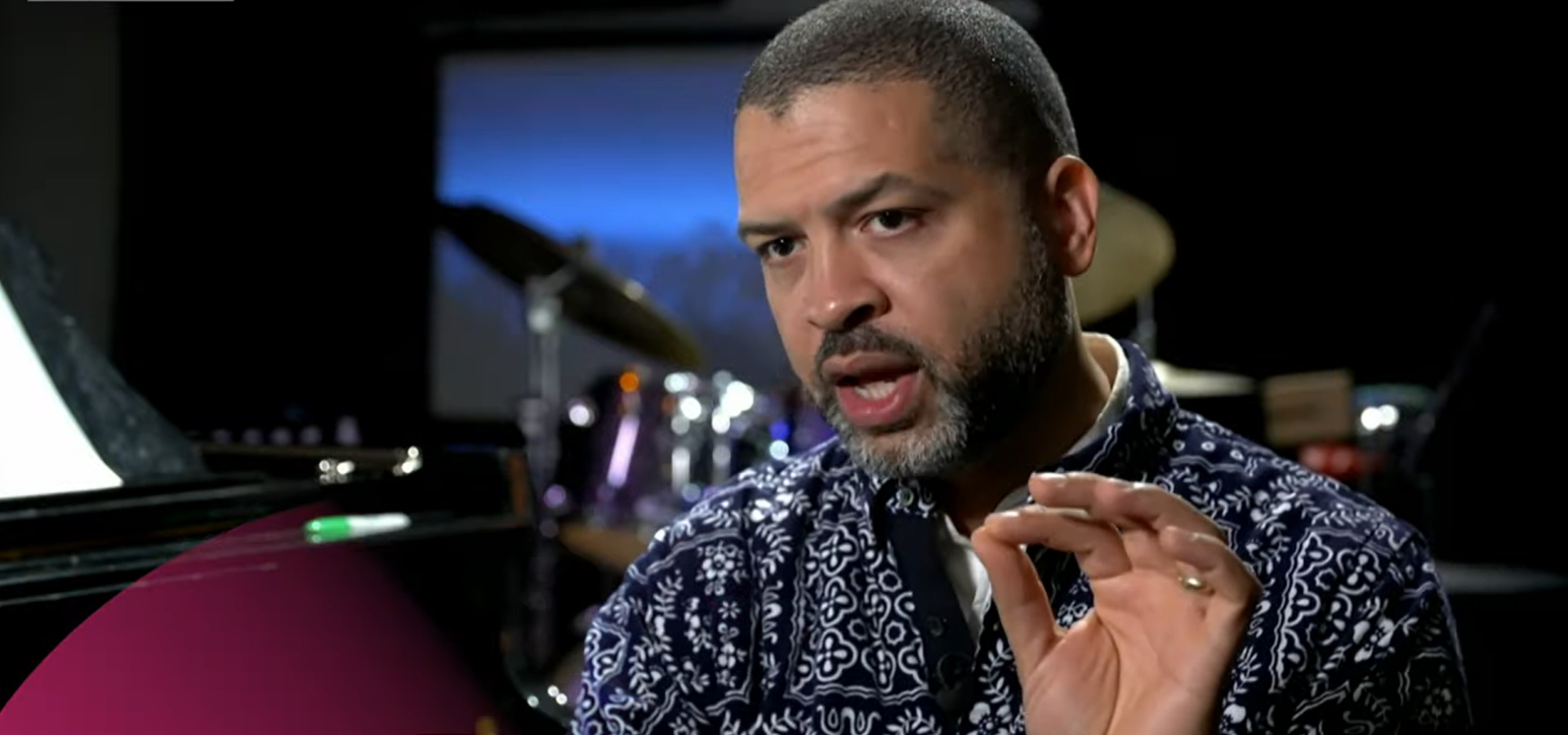
This video features William Kentridge, concept & director for The Head & the Load; Donna V. Jones, associate professor of English at UC Berkeley; Bruce S. Hall, associate professor of History at UC Berkeley; Jason Moran, jazz pianist and composer performing in James Reese Europe and the Absence of Ruin; and Leigh Raiford, professor of African American Studies at UC Berkeley.
Find additional videos and upcoming performances and events at calperformances.org/illuminations.
Transcript
William Kentridge:
I realized in myself the ignorance about Africa and the First World War, a designed ignorance in the sense that the armies and the institutions in Europe deliberately hid information about the Africans who had been part of the First World War. In 1884 at the Congress of Berlin, there was the final cutting up of Africa between European powers.
Donna V. Jones:
All of these ideas that you had about the 19th century of technological progress, that empire, the civilizing mission of empire, all of this stuff is moving forward apace, right? And then comes this war, right? And this war is an inter-imperial rivalry. All of the guys who were peaceably carving up Africa are now at each other’s throats. And so this is a crisis. For Europeans, they’re fighting among each other, but they also are looking at the colonized, bringing them into this war, conscripting them.
Bruce S. Hall:
To build roads, to do almost anything, labor was recruited from African authorities. The vast majority of people who found themselves forcibly recruited into colonial armies were people from the bottom of African societies: slaves or former slaves, or descended from slaves, or people who belonged to low ranking castes in some of these societies. Enslaved people in West Africa, at least some of them, were literate, were involved in all kinds of activities, and used those tools and opportunities to build more autonomous lives, to accumulate wealth, to create families, to move out of slavery in some sort of way.
William Kentridge:
A lot of the people, Africans who went to war, did it on the basis that they would show that they were the equal of the Europeans and as dedicated to that country, so should be given civil rights. So they expected civil rights, but at the end of the war, what did the soldiers get? A great coat and a bicycle. There were no monuments to them. There was no record of them. There were no lists of names. They were literally erased from history in the most direct physical way.
Bruce S. Hall:
But the fact that you had sent so many people from the bottom of society and that when those people came back, they came back with a sense that they were not going to bow down anymore to their social betters … It created a new dynamic in these societies, which would play itself out over the decades that followed. Because it’s so clear and so easy to understand: if you’re going to die on behalf of a regime which doesn’t think you’re good, doesn’t value you, you need something in return. You’re demonstrating to them that you are, in fact, worthy and they need to demonstrate to you, they need to recognize that [sacrifice] by making changes in the dispensation that’s available to you and to people like you.
William Kentridge:
And it was a statement made by one of the colonial officers. He wrote in a memorandum with regards to the African soldier, he said, “Lest their actions merit recognition, their deeds should not be recorded.” And in that you have kind of the whole question of what it is to hide a history and to try to record and note those actions.
Jason Moran:
How does war get racialized? How do people who have sacrificed everything sacrifice their families, their love, their futures, put it all on the line?
Leigh Raiford:
I think it’s really profound and quite generative to compare the histories of African American soldiers and African soldiers in World War I as a node of thinking about the Black diaspora.
Donna V. Jones:
You have in the African diaspora the kind of beginnings of a real political sense of understanding oneself internationally. The sovereignty of Ethiopia is huge in places like Harlem and among African intellectuals. Forget about nation states; we align ourselves internationally.
Leigh Raiford:
When we think about all of the modes of representation that have been withheld from Black people, and yet Black people represent themselves. Black people make art, Black people have political desire and they make those desires known. Music in particular has been one key form.
Jason Moran:
Any soldier that walks into war and hears whizzing bullets, falling bombs, or this loud rattle that says, “Put on your gas mask” … the sounds become part of how you understand where you are. And James Reese Europe even also took out a small portable organ to the front lines to start writing songs. I haven’t met musicians like that. It’s quite brave.
Leigh Raiford:
Even as we may not have the voluminous number of images that we might want of the Harlem Hellfighters, I think there are so many other forms of presence that are key to their story, not least of which is the music.
Jason Moran:
It’s frustrating as a musician when someone who’s made such a large impact on the music gets wiped away. And James Reese Europe is more than a jazz musician. He’s an organizer, and that rarely kind of happened in jazz history after him—a person who had equal impact on the stage as he did off the stage.
Leigh Raiford:
Marginalized people, the so-called “defeated,” have always narrated in alternative stories, the counter histories—they’ve always been passed on. They are in the archives, and part of our work as artists, as educators, is to give our students the tools to imagine different kinds of stories, to think about dominant narratives as just one version. And I think with different tools, with different eyes, with different ears, with different ethical compasses, those stories that we can find, those archival bits and scraps and random photographs actually open up something else for us and imagine us to think and dream otherwise.
Upcoming Related Events