
Illuminations—our signature series of performances, lectures, and conversations—connects extraordinary artistry with groundbreaking scholarship to explore pressing topics of today.
Each year, leading artists and thinkers, including UC Berkeley faculty, focus on a new theme to explore big ideas with the power to transform our understanding of the world and shape the future.

2026-27 Season, “Innocence & Experience”
This season’s Illuminations theme explores “Innocence & Experience” as intertwined forces that transform one another and influence our understanding of the world. Innocence is frequently thought of as a kind of purity or a blank canvas—something to be celebrated or protected, yet vulnerable to disruption. Experience, meanwhile, reflects knowledge—coupled often with intransigence—gained from navigating the complexities of love and loss, of care and conflict.
This season’s Illuminations theme explores “Innocence & Experience” as intertwined forces that transform one another and influence our understanding of the world. Innocence is frequently thought of as a kind of purity or a blank canvas—something to be celebrated or protected, yet vulnerable to disruption. Experience, meanwhile, reflects knowledge—coupled often with intransigence—gained from navigating the complexities of love and loss, of care and conflict.
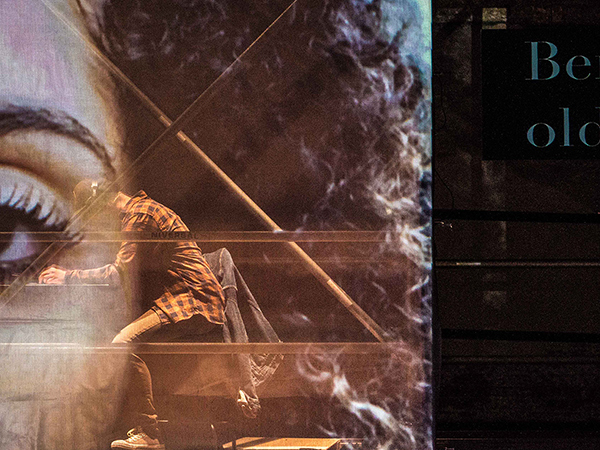

Illuminations Faculty Advisory Panel
Illuminations is shaped in part by the Illuminations faculty advisory panel, which brings together scholars from across the UC Berkeley campus especially to contribute to moderated discussions and classroom visits, and to introduce perspectives designed to better explore the seasons’ themes. Scholars on the panel include Marié Abe, associate professor of Ethnomusicology (UC Berkeley [UCB]); David Ackerly, Dean of Rausser College of Natural Resources (UCB); Karl A. Britto, associate dean and associate professor of Arts and Humanities (UCB); Janet Flammang, professor of political science (Santa Clara College of Arts and Sciences); Ken Goldberg, artist and professor of Electrical Engineering & Computer Sciences (UCB); Jodi Halpern, professor of Bioethics and Medical Humanities and co-director of Kavli Center for Ethics, Science and the Public (UCB); Beth Piatote, associate professor of English and Comparative Literature (UCB); and Debarati Sanyal, professor of French and director of Berkeley’s Center for Interdisciplinary Critical Inquiry (UCB).