Think Deeply, Feel Fully: The Philosopher’s Guide to the 2026–27 Season
If you love performances that make you think—sometimes for days or even weeks afterwards—our “Philosopher” guide will point you in the right direction. The offerings listed here are all part of Cal Performances’ Illuminations programming—a series of performances, lectures, and conversations designed to explore pressing topics of today by connecting extraordinary artistry with groundbreaking scholarship.
Driven by the innovative, intellectual spirit of UC Berkeley, Illuminations investigates big ideas through music, dance, theater, and performances that transcend categories and boundaries. Each performance listed below provides a distinct lens through which to consider the 2026–27 theme, “Innocence & Experience.” Throughout the season, we’ll announce additional panels and Q&As hosted in conjunction with these performances, all in service of helping you view concepts of “innocence” and “experience” through fresh eyes.
SEP 25–27, 2026, ZELLERBACH HALL
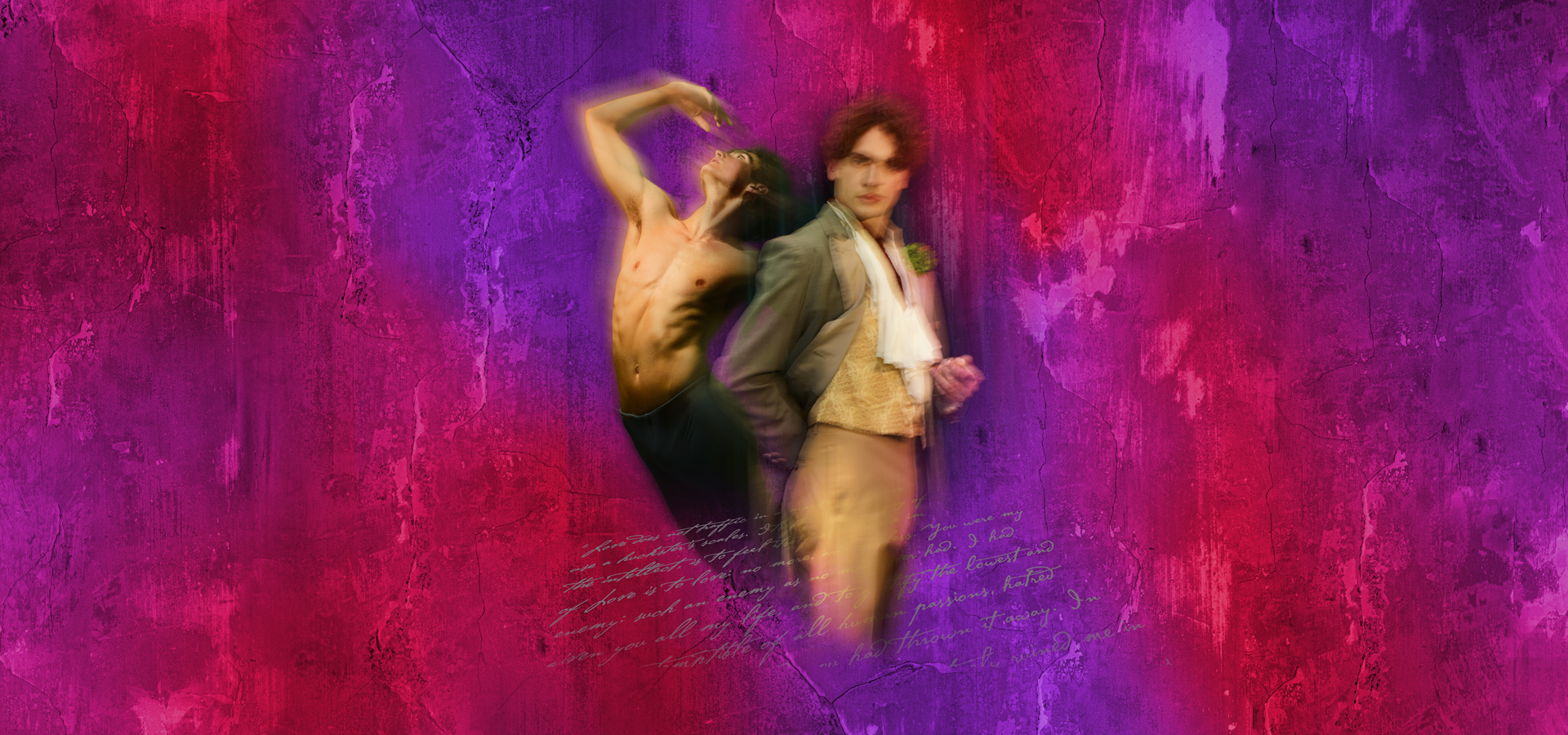
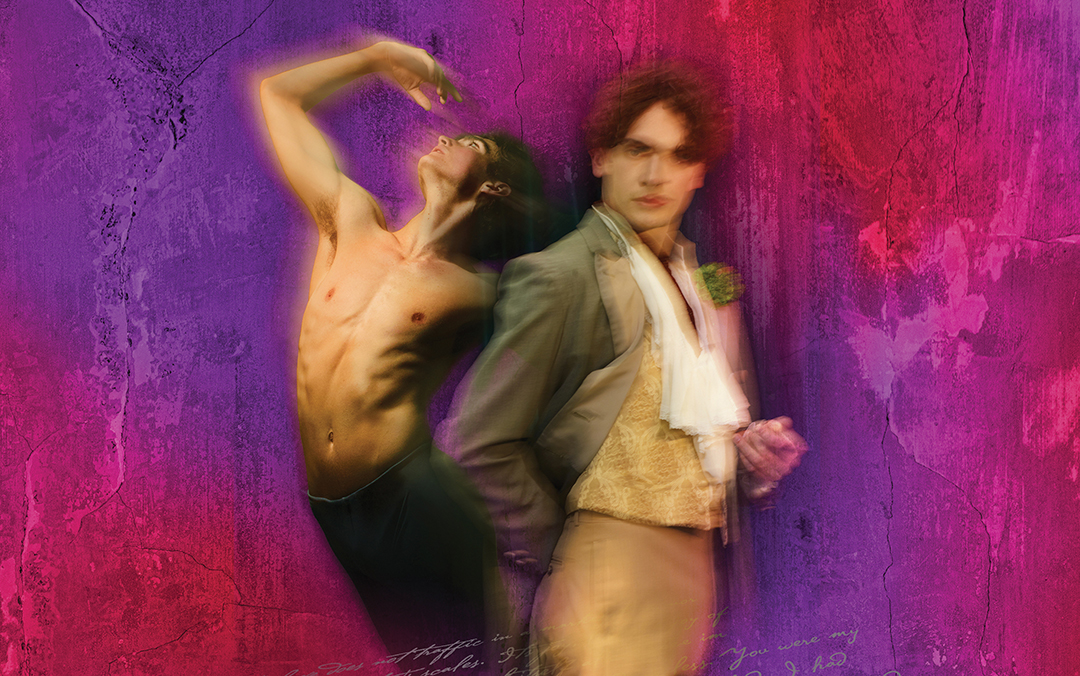
Inspired by the legacy and lore of one of literature’s most extraordinary minds, Christopher Wheeldon’s visionary choreography engages the superb dancers of The Australian Ballet to tell the story of Irish author Oscar Wilde. The witty dramatist who is today best known for stories including The Picture of Dorian Gray, Lady Windermere’s Fan, and The Importance of Being Earnest, was himself the subject of significant attention during his own lifetime (1854–1900), polarizing society with his satirical prose, confident demeanor, and flamboyant fashion choices. Wilde’s public presence was significant and complex, influenced by a range of professional and personal factors, from his strong advocacy of “art for art’s sake,” to criminal convictions related to his sexuality. Of the production, The Australian Ballet’s Artistic Director, David Hallberg, shared, “Working on Oscar has been deeply meaningful because it speaks to how ballet can continue to evolve, not only in movement, but also in the narratives it embraces.
“For much of its history, ballet has told heteronormative stories, so to collaborate with Christopher Wheeldon on a work that so boldly brings a different experience to the stage has felt especially significant.
“… I hope audiences leave with a sense of having experienced something beautiful, but also something deeply human. A story of love, identity and vulnerability that has not often been given this kind of space in dance.”
In this standout, season-opening event—one that combines brilliant dancing with a moving score performed live by the Berkeley Symphony Orchestra—audiences are invited to contemplate who society and legal authority have designated as “innocent,” particularly within the context of love and sexuality; and how “experience” can be imposed on an individual through encounters with hardship. The performers onstage will leave you pondering a keenly relevant question: What does it mean to make choices in service of one’s own happiness at a time when being truly visible means making yourself vulnerable?
NOV 12–15, 2026, HENRY J. KAISER CENTER FOR THE ARTS, OAKLAND
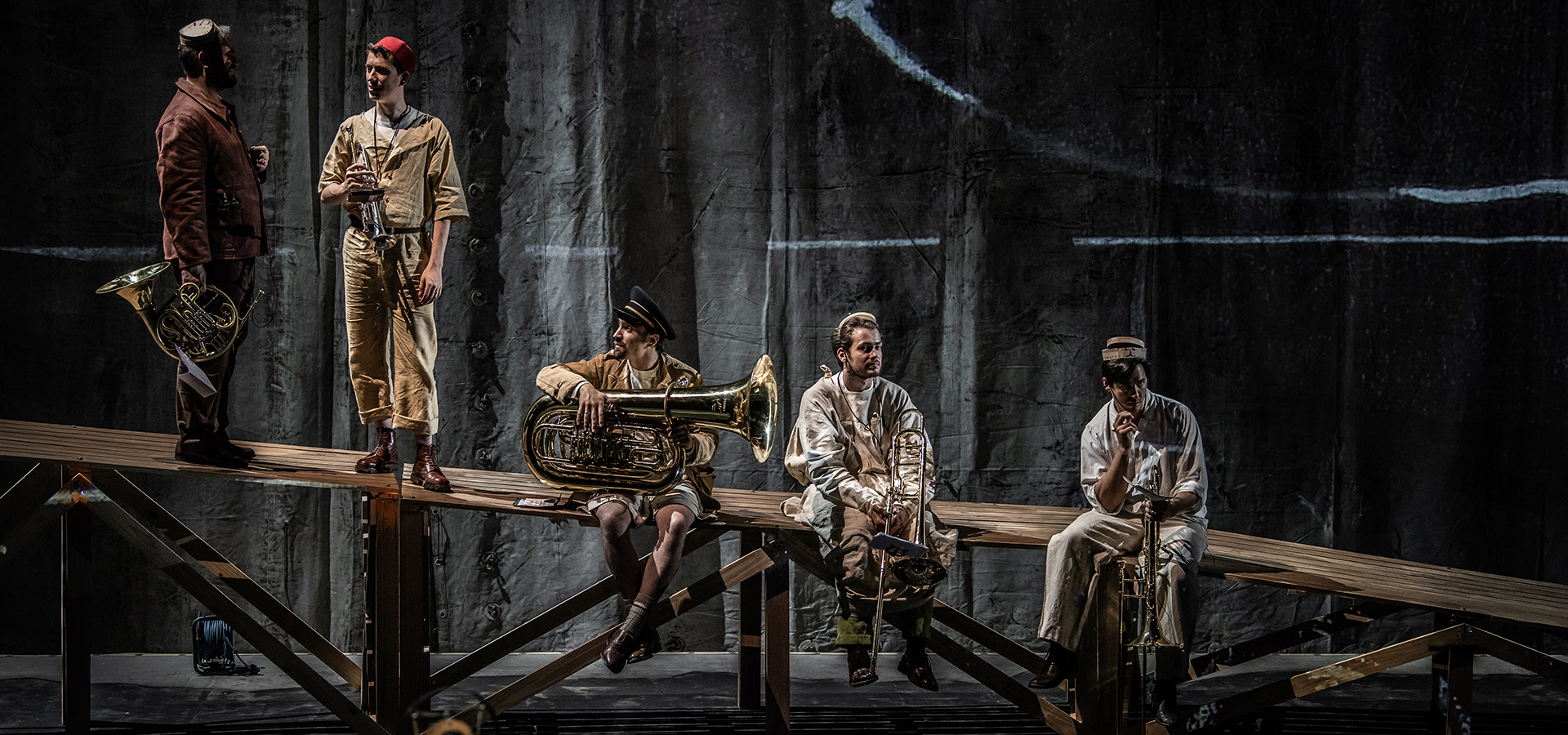
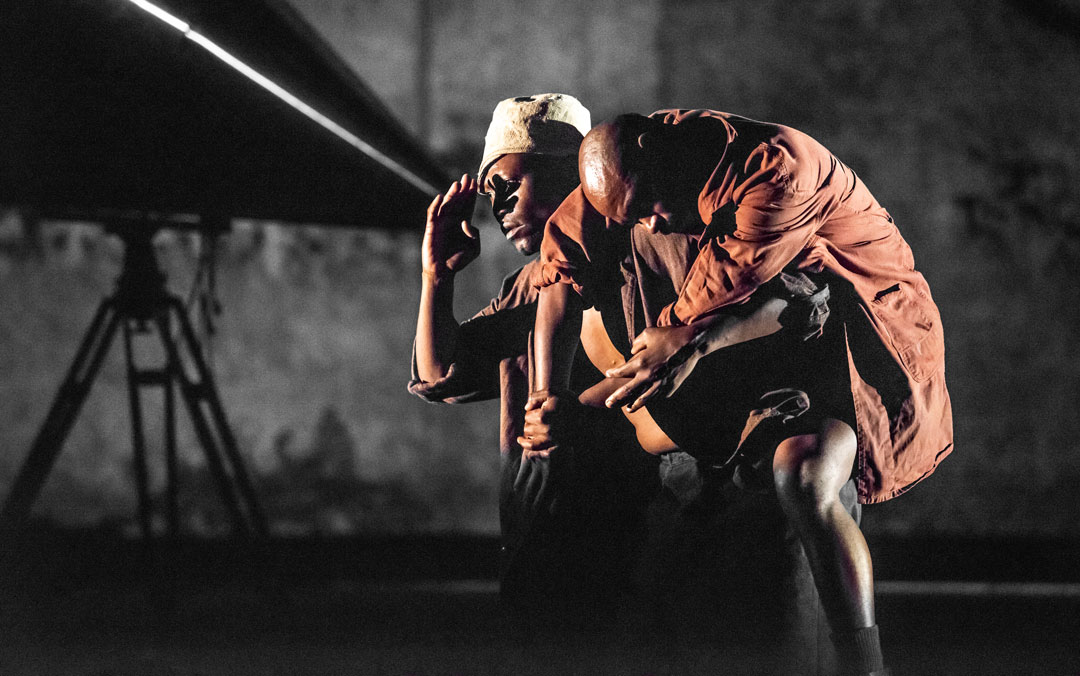
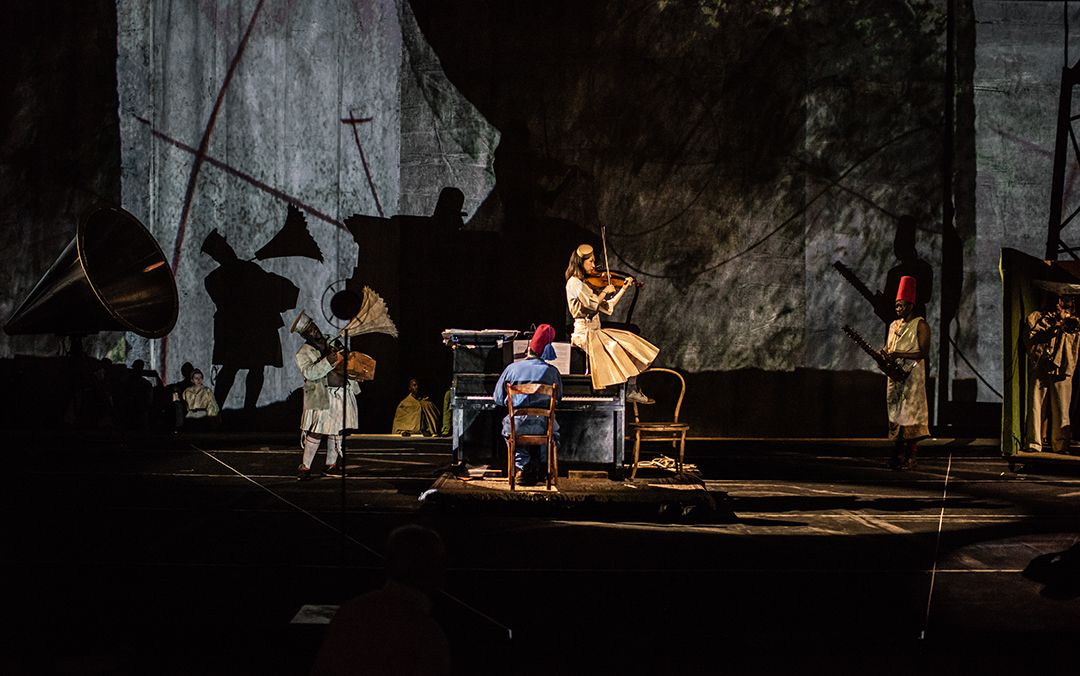
“The piece unfolds like a fever dream. At any one moment, multiple events are occurring onstage. Watching it, you want to be everywhere at once.” So wrote the New Yorker of The Head & the Load, William Kentridge’s largest and most celebrated work. Conceived for a massive 180-foot-long stage (presented this season at the Henry J. Kaiser Center for the Arts Arena) and performed by 37 dancers, actors, vocalists, and musicians, this sprawling, layered production incorporates music, dance, speech, shadow play, projection, and sculpture to tell the history of Africans who served and sacrificed during the First World War. Choreographer Gregory Maqoma shared, “I hope audiences leave with a sense of reckoning, with the realization that the story of the First World War is incomplete without acknowledging the millions of African lives that sustained it.
“The Head & the Load invites a re-evaluation of history, one that shifts the lens away from dominant narratives toward those who carried its invisible weight.”
The performance explores what it means to retain “innocence” in the context of such egregious violence; and how a person can process encounters with war and colonialism at the same time that the lived “experience” they impart is being minimized and covered up by those in power.
The sonic world created in this production is particularly symbolic, and hones in on the disconnect between European powers and the experience of the African soldiers they enlisted. According to the production notes, “One of the striking aspects of colonialism is Europe’s incomprehension of Africa—not being able to hear the very clear language that was being spoken by Africa to Europe. There is the sense of language breaking down into nonsense, which is what Dadaism was very much about.” Pulling from this Dada tradition, the libretto draws from a wide net of sources, from Frantz Fanon to Tristan Tzara to Setswana proverbs, cut up and reassembled. The score, composed by Philip Miller and Thuthuka Sibisi, similarly uses collage as a tool to reflect the many varied, unpredictable sounds that commingle during wartime, including traditional African songs, European compositions, war chants, and percussive interjections.
NOV 21, 2026, ZELLERBACH HALL
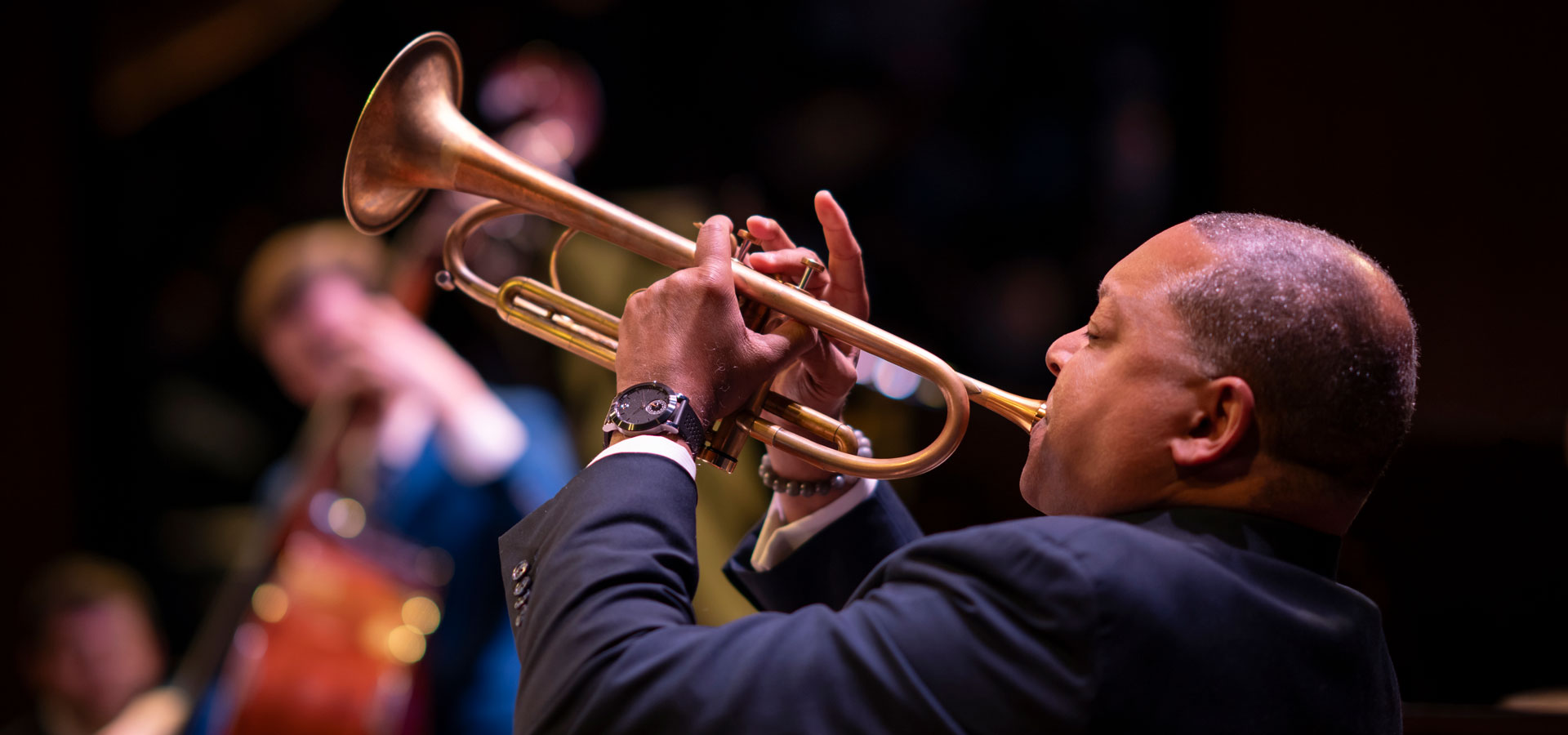
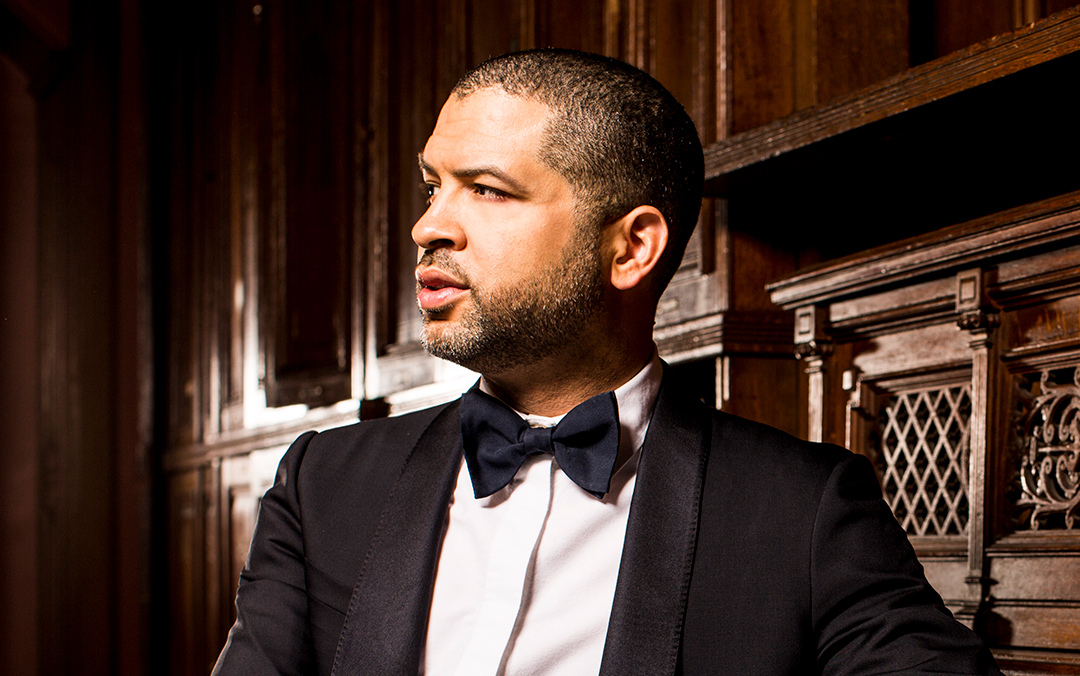
The Absence of Ruin is innovative jazz pianist and composer Jason Moran’s multidisciplinary meditation on the life and legacy of James Reese Europe, the underrecognized Black American composer and bandleader who landed in France with the Harlem Hellfighters on New Year’s Day 1918. The celebrated all-Black unit contributed to breaking the stalemate on the Western front during the First World War, while composer Europe’s finely honed military music ensemble helped popularize the new spirit of jazz in a war-torn France fascinated with Black culture. The Absence of Ruin features Moran alongside bassist Tarus Mateen, drummer Nasheet Waits, and a seven-piece horn section. The rich sonic world is elevated by filmed visuals created by Bradford Young, who, in 2016, became the first African American cinematographer nominated for an Oscar (for his work on the science-fiction movie Arrival).
Through music and film, these insightful performers deliver what the Washington Post refers to as a “beautiful, poignant, reverent” tribute to Europe.
Paradoxically, Europe and the Harlem Hellfighters—many only one generation removed from enslavement—fought for the ideals of patriotism and belonging while their own nation was still denying them full equality. The “experience” they gained did not translate to the respect and recognition they deserved; and yet, Moran’s tale is one in which resilience, influence, and reclamation of memory take center stage.
DEC 4–5, 2026, ZELLERBACH HALL
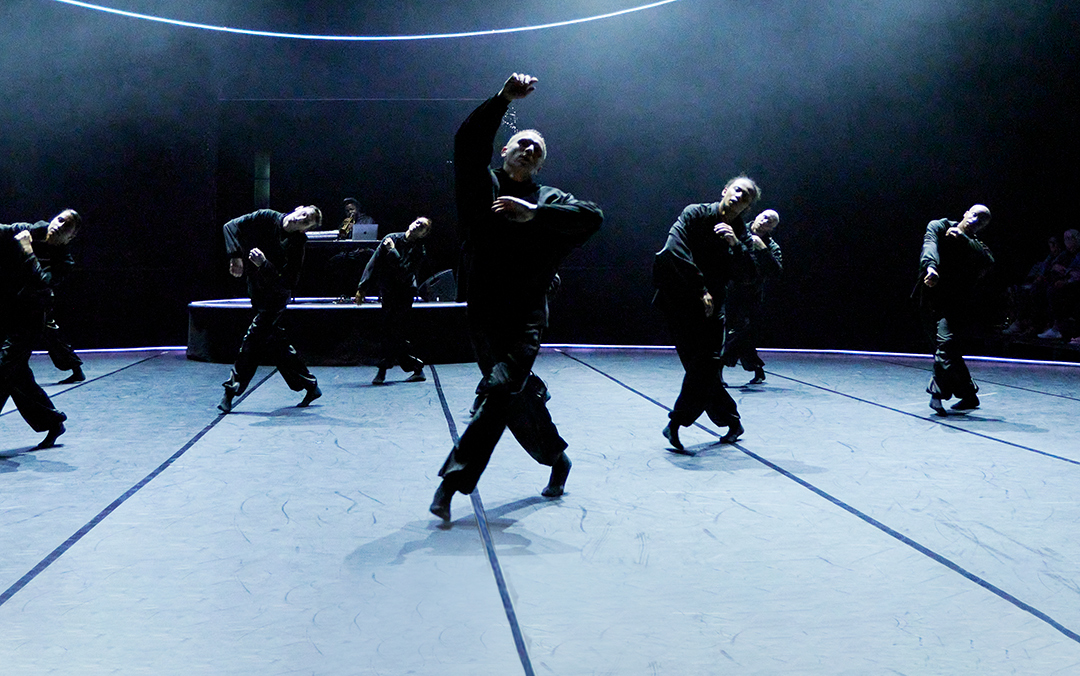
In A a | a B : B E N D, two leading lights in their fields—choreographer Aszure Barton and composer Ambrose Akinmusire—create a world in which dancers and a musician (Akinmusire himself on electronics and trumpet) explore what it means to “unlearn.” In what Tanz Magazine refers to as “a refusal of categorization,” the artists inhabit the space between improvisation and structure, with the performance itself oscillating between up-close and personal to vastly distanced and massive.
It doesn’t take much digging to find the common ethos between Akinmusire’s and Barton’s artistry. The creators, who have collaborated for years, are both incredibly curious, and push each other to think bigger and deeper. Akinmusire is best known in jazz, classical, and hip hop circles, and cites the emotional, spiritual, and practical sides of art as his primary motivation.
The result has been emotive and unexpected works in service of his “perpetual quest for new paradigms.”
Not strictly beholden to tradition, he acknowledges the desire to honor his “lineage of Black invention and innovation … without being stifled by it.” Barton, in turn, is recognized for pushing the boundaries of traditional dance, with the The New York Times saying she “takes ballet technique and dismantles it to near-invisibility.” Their collaboration brings choreography and music into a shared field of constraint and possibility. Here, “experience” looks like structure, method, and form—the accumulated knowledge of training, composition, and systematized thinking—while “innocence” manifests as experimentation and risk, and movement or sound before it settles into order.
FEB 5–6, 2027, ZELLERBACH HALL
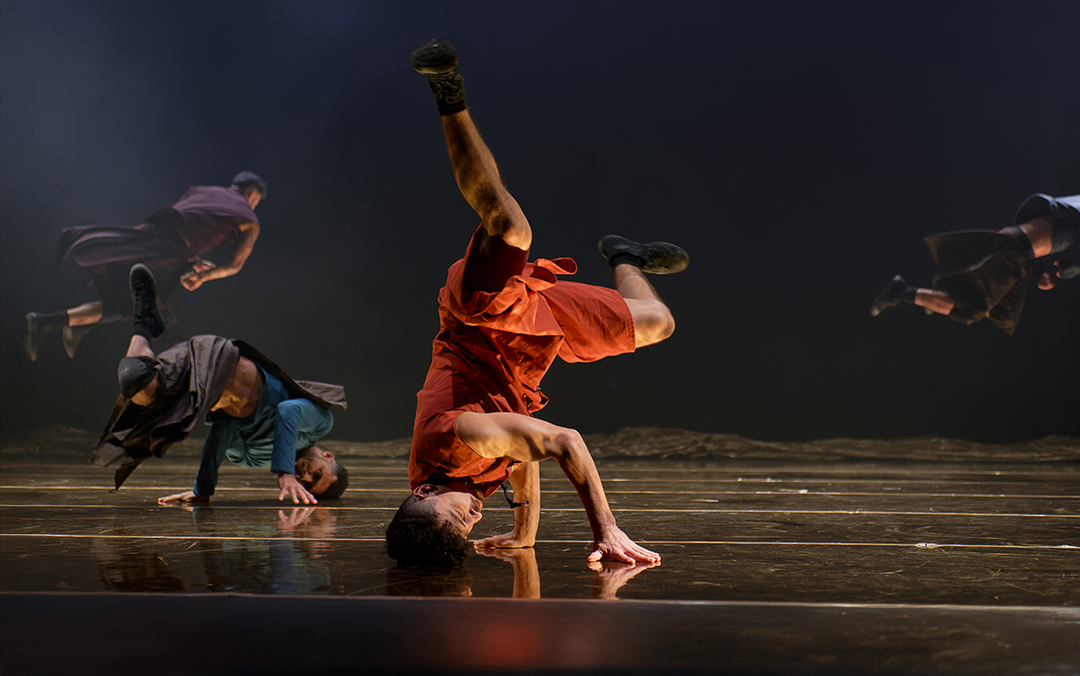
Named for the ancient Roman “Unconquered Sun” deity, Sol Invictus arrives with a clear message from its creator, French Algerian choreographer Hervé Koubi: that despite the fractures of the world, community is humanity’s saving grace. To deliver that message, Koubi enlists 17 extraordinary dancers from around the world whose unique visual language showcases mastery across contemporary dance, hip-hop, and martial arts.
The choreography is deliberately arranged so that each performer can stand out, and there is something different and intriguing to take in, no matter which direction you look.
Playing off of the company’s distinct, uncategorizable movement style, the performance invites attendees to consider the concepts of “innocence” and “experience” as they relate to the body itself—what bodies remember, what they carry, and how they can transform when conscious effort is made to unlearn structured practices.
FEB 10 2027, ZELLERBACH HALL
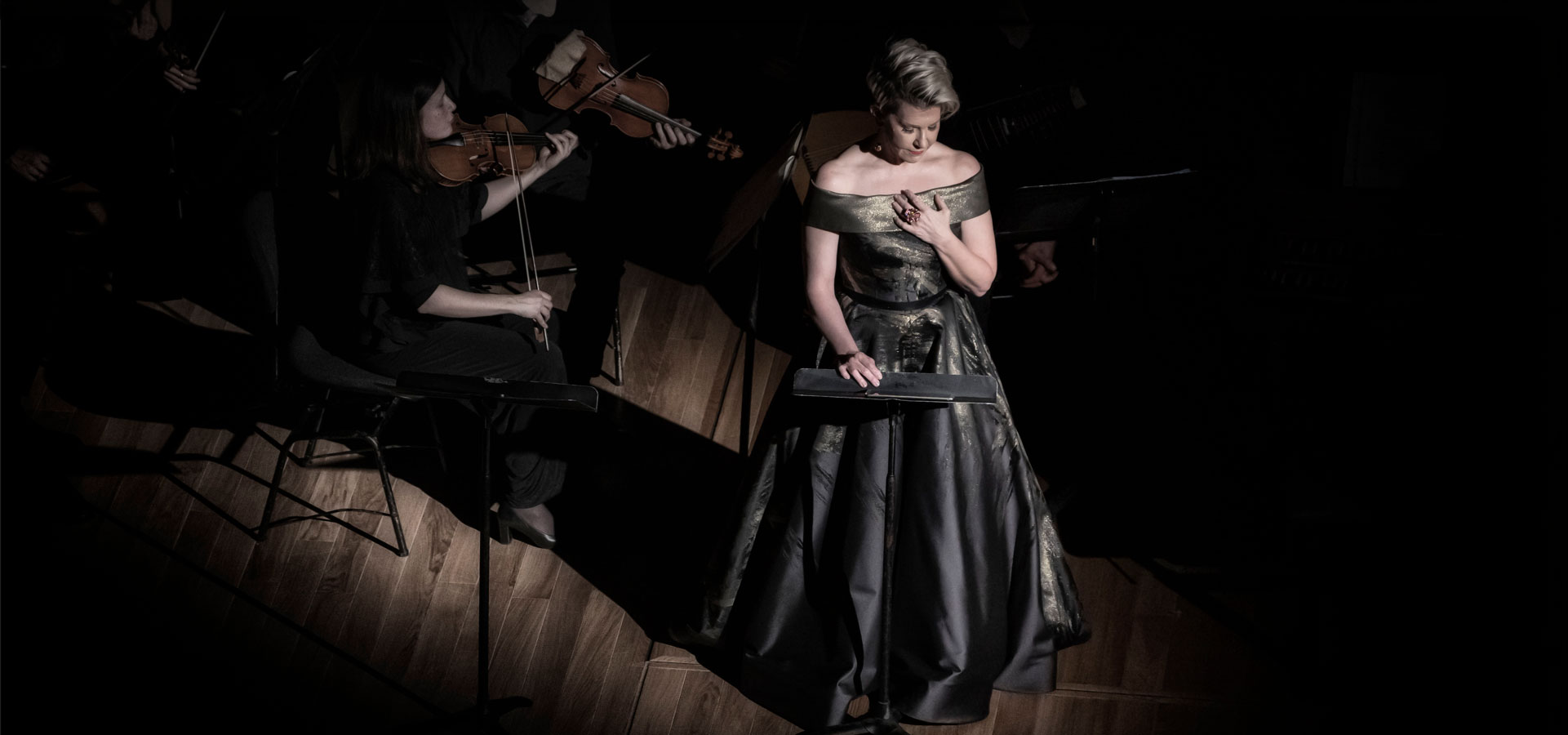
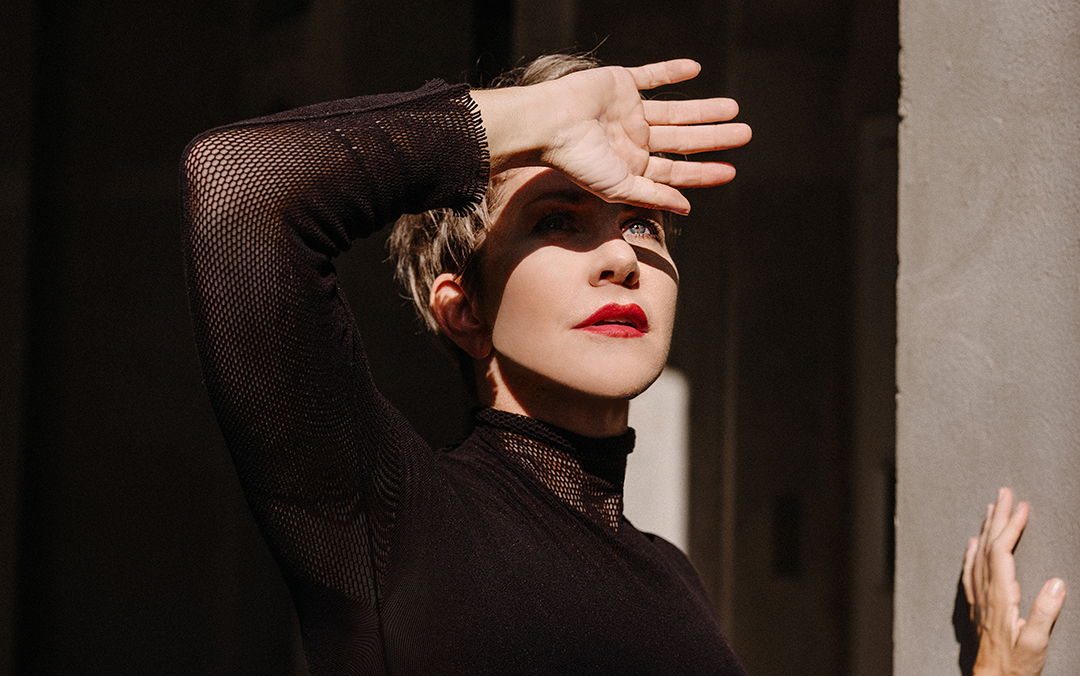
In a true season highlight, star mezzo-soprano Joyce DiDonato—described by the New Yorker as “perhaps the most potent female singer of her generation”—returns to Berkeley with the Italian period-music ensemble Il Pomo d’Oro in a program of Baroque music presented with freshness and raw emotional power. The first half of the program covers Carissimi’s Jephte, a scena (a dramatic, multi-section vocal piece for a soloist in opera that often includes a recitative, arioso, and aria) performed by Grammy Award–winning lyric tenor, Nicholas Phan.
The bulk of the concert is devoted to Purcell’s only complete opera, the brilliant and haunting Dido and Aeneas, which sees Phan as Aeneas and DiDonato as Dido.
This canonic tragedy foregrounds the tale of two lovers who exist in a world complicated by the politics of empire. In Dido and Aeneas, the concept of “innocence” takes the form of emotional openness and trust, while “experience” is depicted in the navigation of power dynamics as well as in personal transformations inspired by love and loss. Purcell’s opera concludes with what is perhaps his most famous work, “When I am laid in Earth.” To hear DiDonato sing the all-consuming aria will undoubtedly inspire new revelations in us all.
Explore More and Secure Your Seats
While this guide focuses specifically on our Illuminations performances, any art lover knows that moments of transformation and learning can strike during any performance. The ability of art to speak to us in ways that words alone cannot communicate is a quality we celebrate and embrace throughout the 2026–27 season (and, indeed, always!). We encourage you to review the full season for yourself to explore what else might spark your curiosity.
Want to secure your seats early and save up to 25% on tickets? When you subscribe by bundling as few as four performances, you unlock the very best experience we have to offer! Explore our Subscriber benefits, and mark your calendars for when subscriptions go on sale at noon (PT) on May 5, 2026!
UC Berkeley students have access to exclusive student discounts, including a special bundle of 4 tickets called a Flex Pass. UCB Student tickets go on sale on August 21, 2026.
Related Events
Beyond the Stage: 2026–27 Season Guides
Explore the six guides to the season below to find the performances that were made for you.