“Innocence & Experience”: Love & the Politics of Innocence
Produced and directed by Mina Girgis, Cal Performances’ Director of Education, Campus and Community Engagement; directed and edited by Lindsay Gauthier. Full credits below.
Whose love gets to be labeled as “innocent“—and who assigns that label? During Cal Performances 2026–27 season, we’re exploring the theme of “Innocence & Experience” as part of our Illuminations programming, which connects extraordinary artistry with groundbreaking scholarship to unpack pressing topics of today.
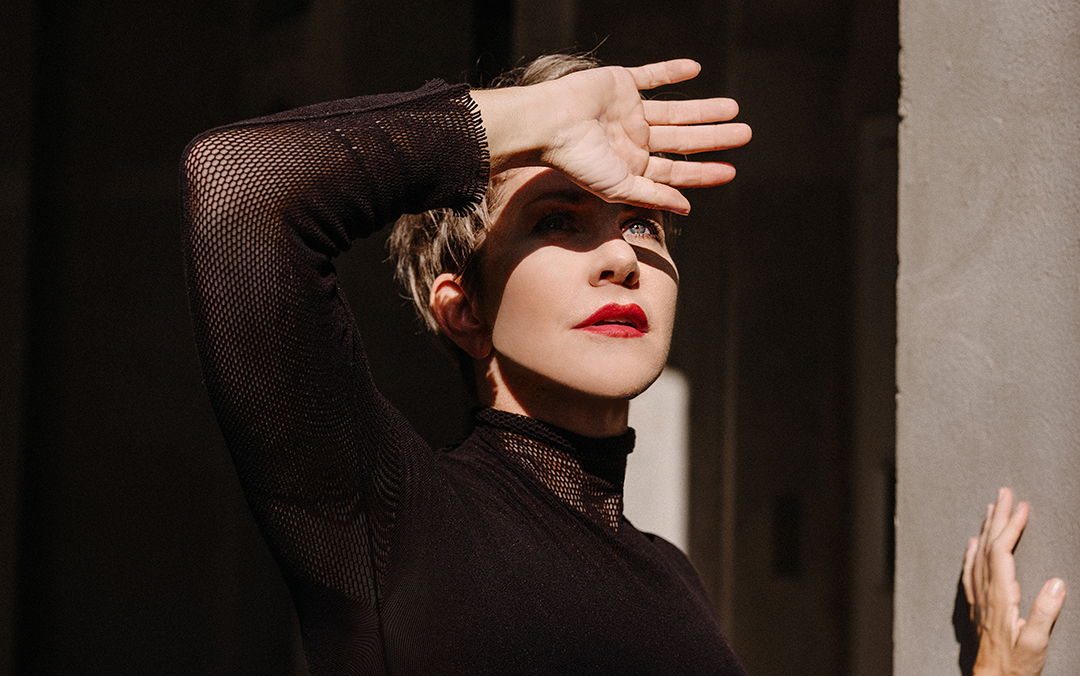
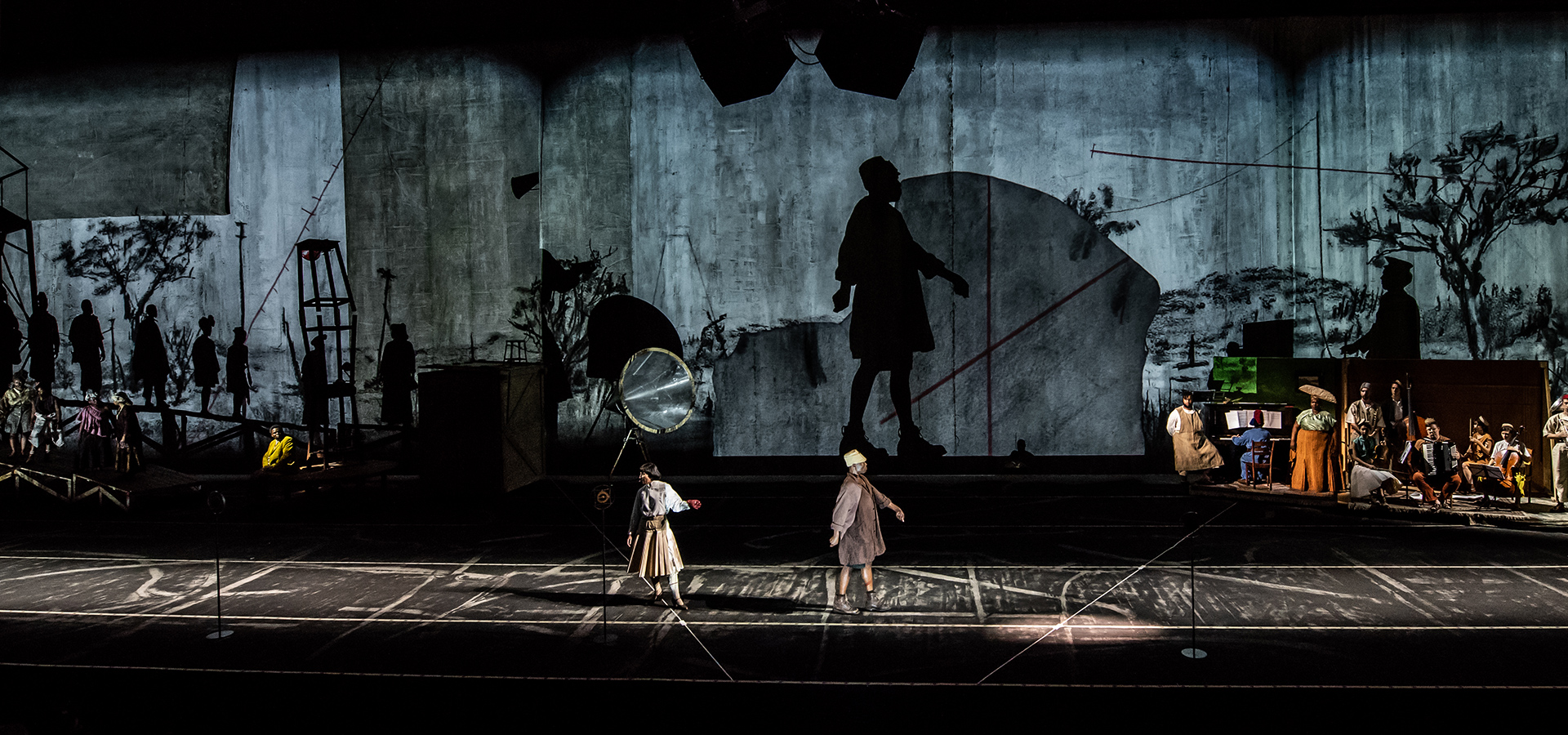
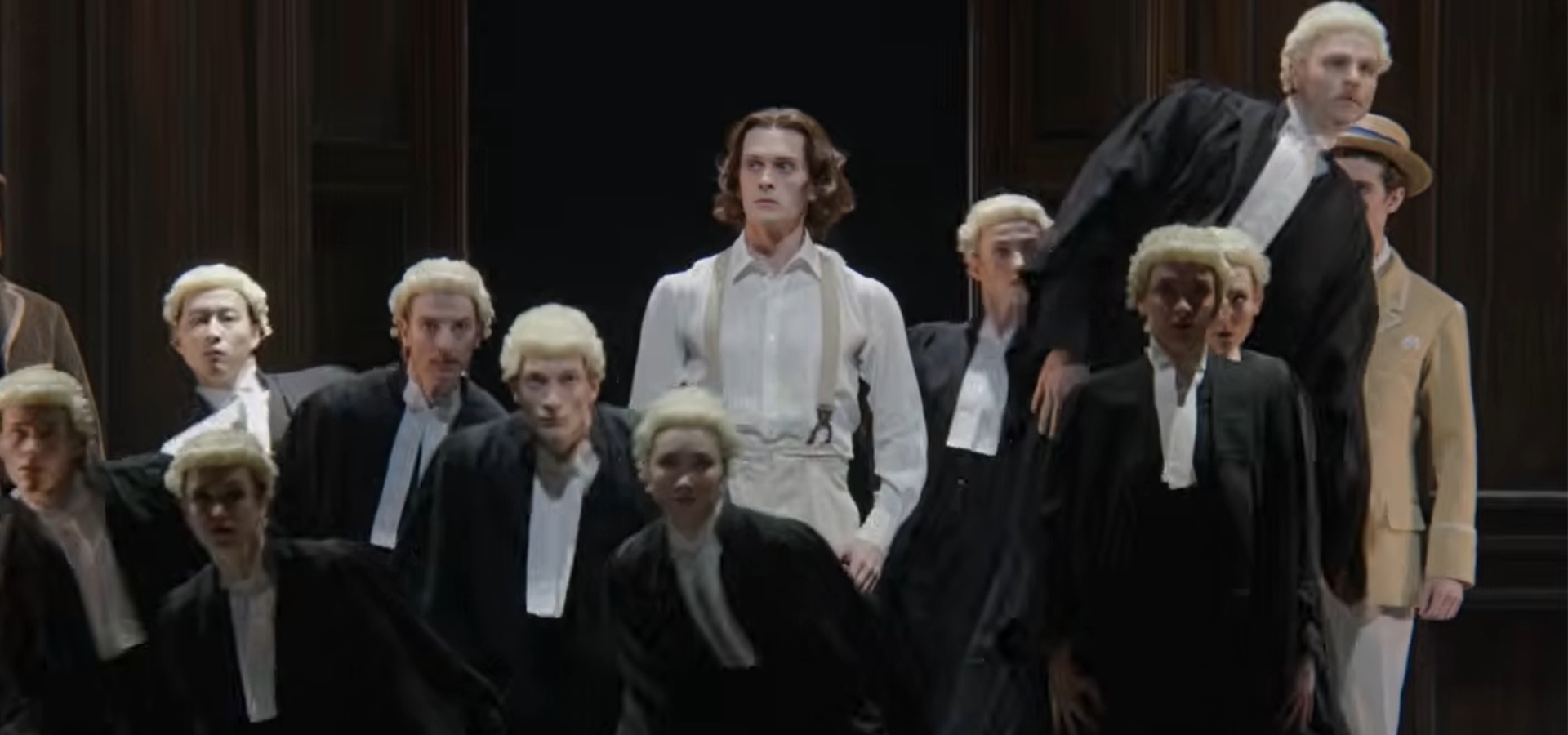
In this video, we engage performing artists and scholars to discuss the intersection of “Innocence & Experience” with themes of love and politics—especially in the context of two upcoming performances on the UC Berkeley campus: The Australian Ballet performing Christopher Wheeldon’s Oscar inspired by the life and works of Oscar Wilde, and Henry Purcell’s Dido and Aeneas performed by Joyce DiDonato, Il Pomo d’Oro Orchestra and Choir, and soloists.
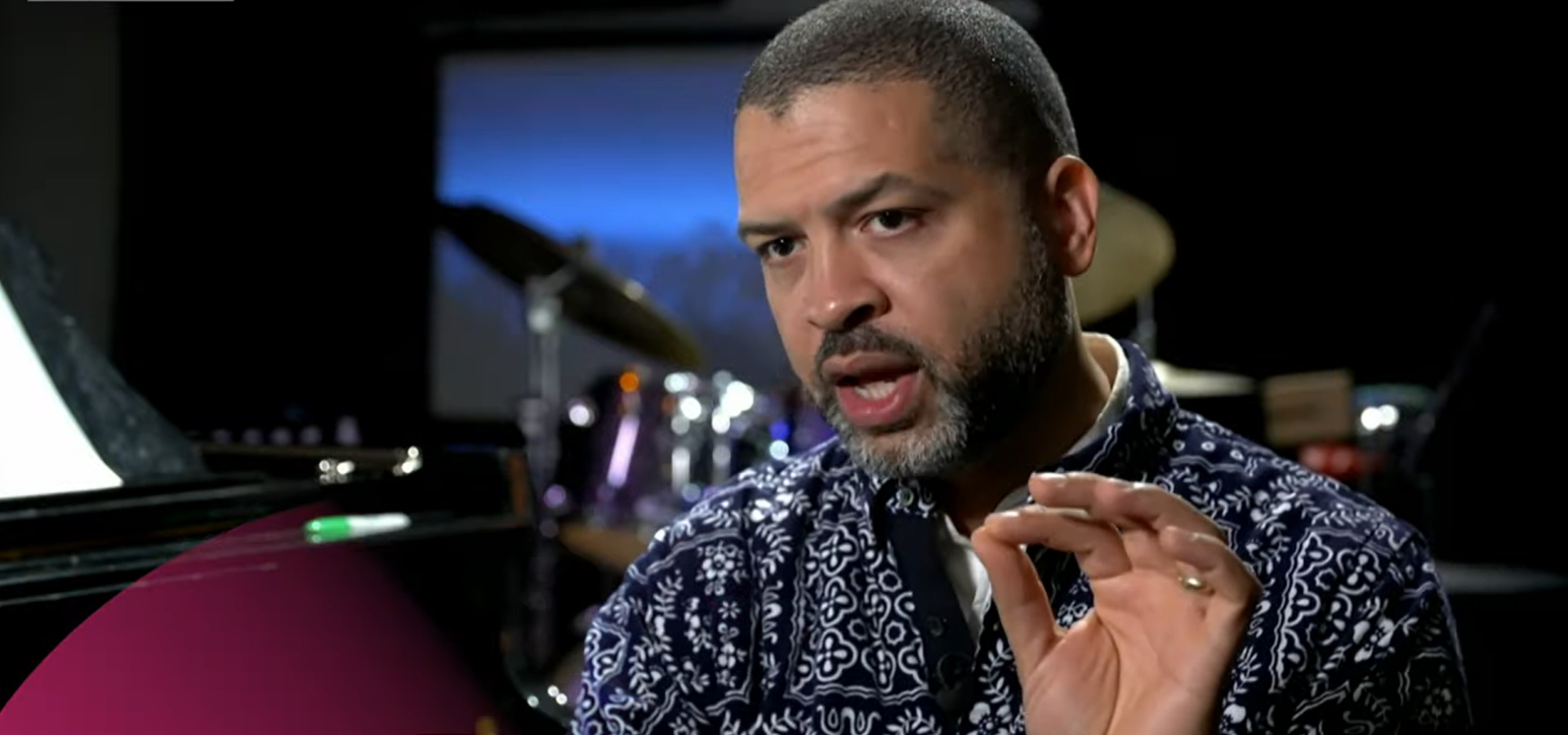
This video features Ellen T. Harris, professor emerita of Music & Theater Arts at MIT; Russell K. Robinson, Walter Perry Johnson Professor of Law at UC Berkeley; Callum Linnane, principal artist with The Australian Ballet; and Daniel Boyarin, Hermann P. and Sophia Taubman Professor Emeritus of Talmudic Culture at UC Berkeley.
Find additional videos and upcoming performances and events at calperformances.org/illuminations.
Transcript
Ellen T. Harris:
Wouldn’t it be lovely if love were always entirely private? I’m afraid it isn’t always. So we know what happens to Dido, and we certainly know what happened to Oscar Wilde. He lost everything. Dido lost everything.
Who is granted innocence in matters of love?
Russell K. Robinson:
We think about innocence in matters of love. We have to understand that it’s not a universal condition. Perceptions of innocence are inflected through systems of power, systems around race, gender, sexuality that prevent us from seeing the purity and the innocence of desire, attraction, and love.
Ellen T. Harris:
The story of Dido and Aeneas is a story of a woman who is chaste and gives up her chastity for her love of Aeneas, and when she loses her chastity, she loses a great deal, and in the end, she loses her life. There are certain loves that have been deemed by the societies in which these people lived that are inappropriate, wrong. If you have a sexual love outside of marriage, maybe even simply a love outside of marriage, that you will be punished one way or another.
Callum Linnane:
Our ballet, Oscar, begins with his [Oscar Wilde’s] trial and then imprisonment, and then it weaves back and forth between memory, and also elements of his works.
April 1895: Oscar Wilde was tried on charges of gross indecency following accusations of homosexuality from his lover’s father, two months after the theatrical premiere of his most successful work, The Importance of Being Earnest.
Daniel Boyarin:
The trials of Wilde were part of the process of solidifying the homosexual as a “type” of human. Homoerotic homosexual acts, these were understood within a spectrum of different qualities and desires that human beings had. Now, there were certainly societies that condemned those acts, but they didn’t define a whole person. There was no such thing as a homosexual.
Legal decisions granting innocence
Daniel Boyarin:
Foucault argued that the idea of homosexuality and heterosexuality as human “types” wasn’t the universal, but that it was a product of a particular moment within the development of European culture that it became distilled into an identity.
Callum Linnane:
When I think of portraying Oscar Wilde’s love, it feels like it blooms as innocently. I’m thinking specifically of this moment in act two, the centerpiece of his love with Bosie. For me, that is when his love is in full bloom, and it feels as innocent and as overflowing as ever.
The sound of resistance
Ellen T. Harris:
The character of Dido is one that has many facets. She’s obviously an admirable woman. She ran her country. She built Carthage. She could play a man’s game and win. Her dalliance with Aeneas is, on the other hand, something of a warning. It shows you that even those who reach the highest stature will potentially stumble.
“Dido’s Lament,” which is obviously the most important piece of music from the opera [Henry Purcell’s Dido and Aeneas], is an absolutely stunning creation built on a ground bass, which means it has a bass pattern that repeats over and over and over again. What Purcell does is take the vocal line, the “”when I am laid in earth,” out of sync with the bass, so their cadences come in the middle of the bassline, they never end when the pattern ends, and it’s as if Dido is resisting the bassline because she will not cadence with it. It only aligns with the bass at the very, very end. I do believe that the bassline represents her fate, and that even now, she is resisting it, saying, “Remember me, remember me.”
Timeless Love, Timely Struggle: The continued fight for innocence
Callum Linnane:
Wilde’s story is both timeless and timely, universal stories of love that will always be timeless. But I think timely because queer people are still facing those same battles and those same struggles.
Russell K. Robinson:
We recognize that legal victories matter. In 2003, the Supreme Court held that states cannot criminalize gay sex. Then in 2015, the court held that there’s a fundamental right to marry, that it applies to same sex couples. These victories matter and create the possibility of changing the culture. They create the possibility that people will see the innocence and the core humanity of LGBTQ people. Nine judges on the US Supreme Court cannot automatically change people’s attitudes and stereotypes. This stereotype remains in the culture and in politics, and coexists with legal decisions that celebrate the humanity and dignity of LGBTQ people, and our desire for loving relationships.
Ellen T. Harris:
You would think that maybe if someone follows the rules of society, that they might be allowed to love a person they love. You know that doesn’t work always. I wish we could just love one another.